Ditch the steak and embrace the power of plants! Contrary to popular belief, a vegan diet can be a protein powerhouse. We've put together a list of 13 exciting plant-based alternatives to guarantee you meet your daily protein needs and fuel your active lifestyle.
Those looking for vegan proteins should consider legumes and other greens, discover the versatility of beans, and even check out some exceptional grains and nuts and seeds. Whether you're a seasoned vegan or a curious omnivore looking to explore plant-based options, we want you to feel ready to put together a balanced and protein-rich vegan diet with just vegan protein replacements.
Think crispy tofu scrambles for breakfast, lentil bolognese for a hearty dinner, or protein-packed smoothies for a quick on-the-go snack. So, ditch the misconception of protein-deficient vegan meals and start making meals filled with flavor, nutrition, and energy!

Lentils
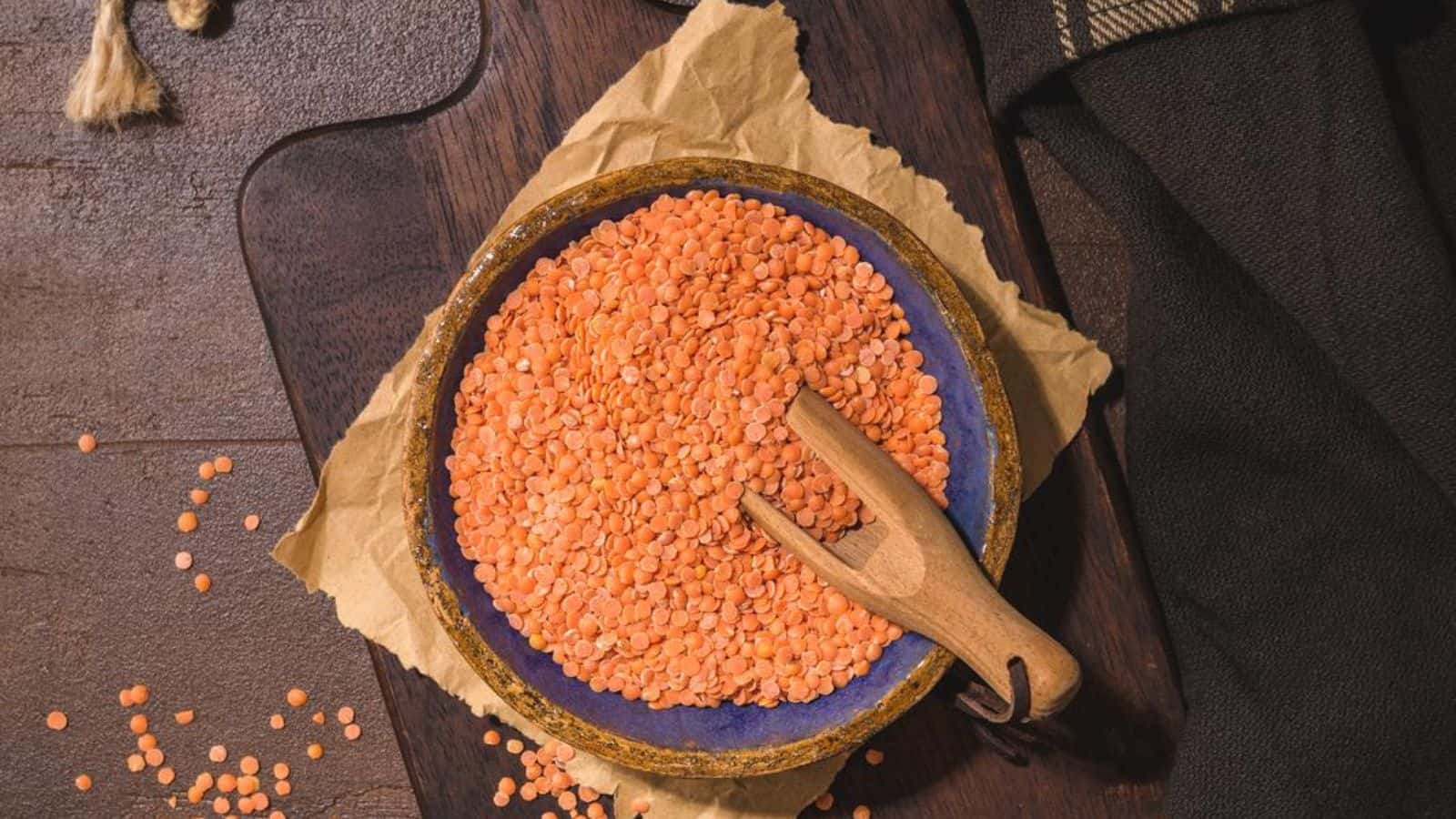
These small but mighty legumes pack a powerful protein punch, boasting up to 18 grams of plant-based protein per cooked cup. Among the common lentil varieties, black lentils take the crown, having around 25% protein by dry weight. But don't fret as all lentils are excellent sources of high-quality protein regardless of the variety. Rich in fiber, folate, and iron, lentils are incredibly versatile and can be incorporated into soups, curries, salads, stews, and veggie burgers for a nutritious protein boost. Plus, lentils cook quickly and store well, making them a convenient and budget-friendly addition to any vegan pantry.
Quinoa
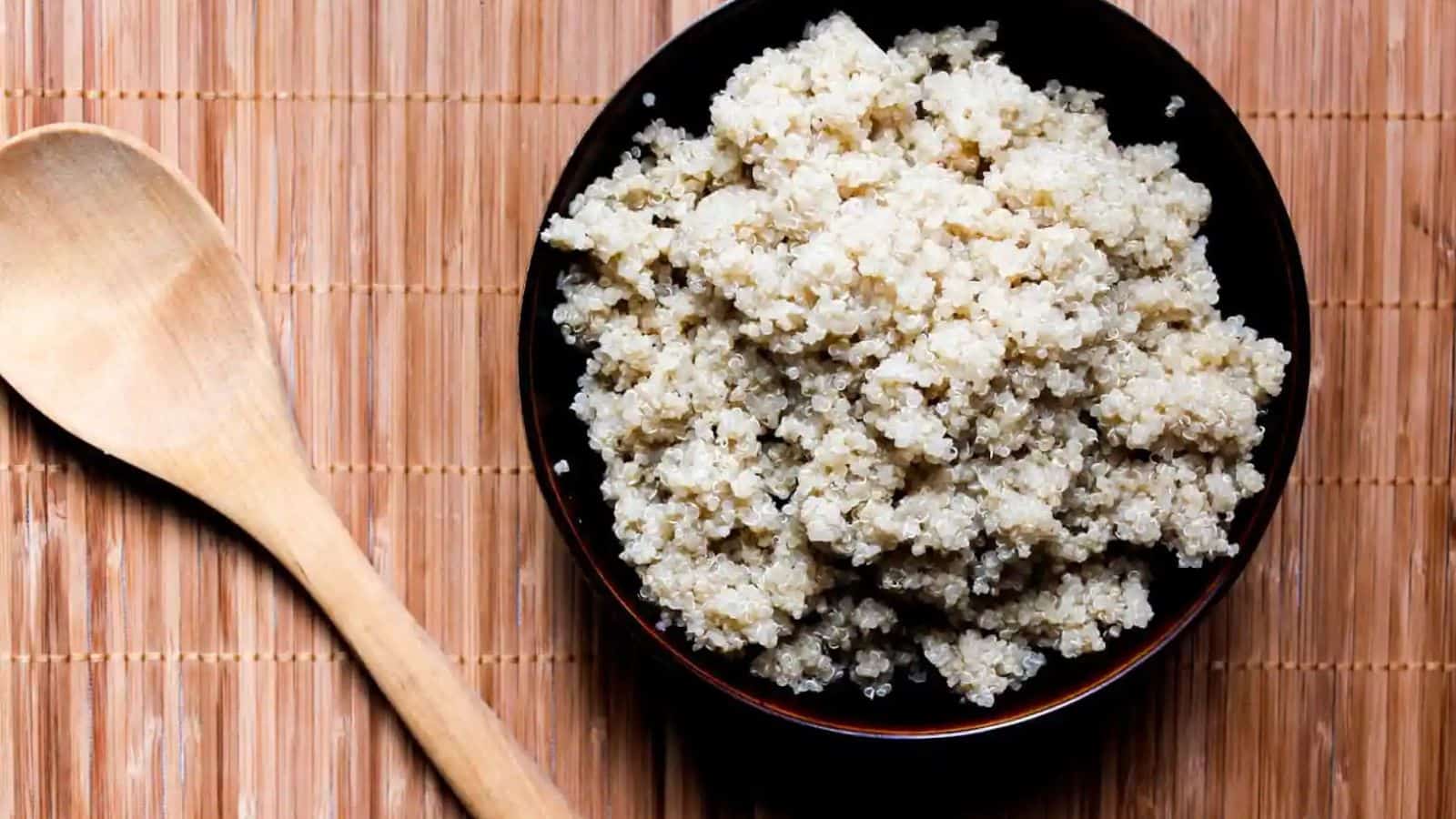
Often referred to as a superfood, quinoa is a gluten-free pseudo-cereal that contains all nine essential amino acids, making it a complete protein source. This is rare in the plant-based world, where most grains lack certain essential amino acids like lysine. With around 8 grams of protein and 5 grams of fiber per cooked cup, quinoa is a delicious and nutrient-dense addition to any plant-based diet. Unlike other common grains, quinoa cooks up fluffy and boasts a slightly nutty flavor that complements a wide range of dishes. Enjoy it in breakfast bowls with fruit and nuts, or incorporate it into salads, casseroles, veggie bowls, stir-fries, or even gluten-free vegan baking for a protein and fiber boost.
Tempeh
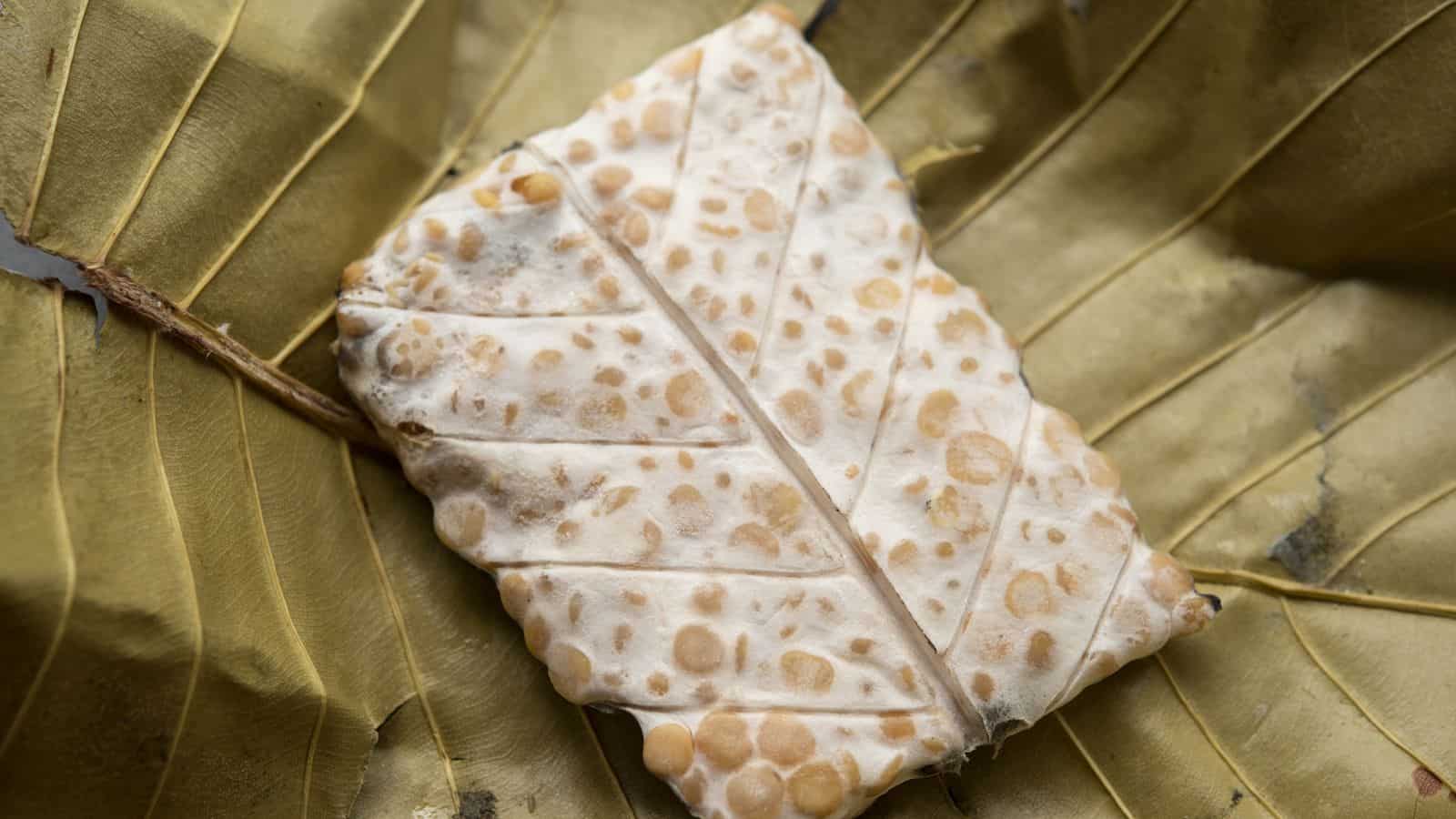
This fermented soybean cake is a firm, nutty-flavored protein powerhouse, delivering a whopping 31 grams of protein per cup. Unlike many plant proteins, tempeh has a balanced profile of amino acids, making it a filling and powerful alternative to meat. What's more is that tempeh is versatile, easy to incorporate into dishes, and an excellent source of probiotics, making it a popular choice among vegans and vegetarians. Crumble it for a meaty texture in tacos or stir-fries, marinate and bake it for tempeh "steaks," or steam and slice it for sandwiches.
Edamame
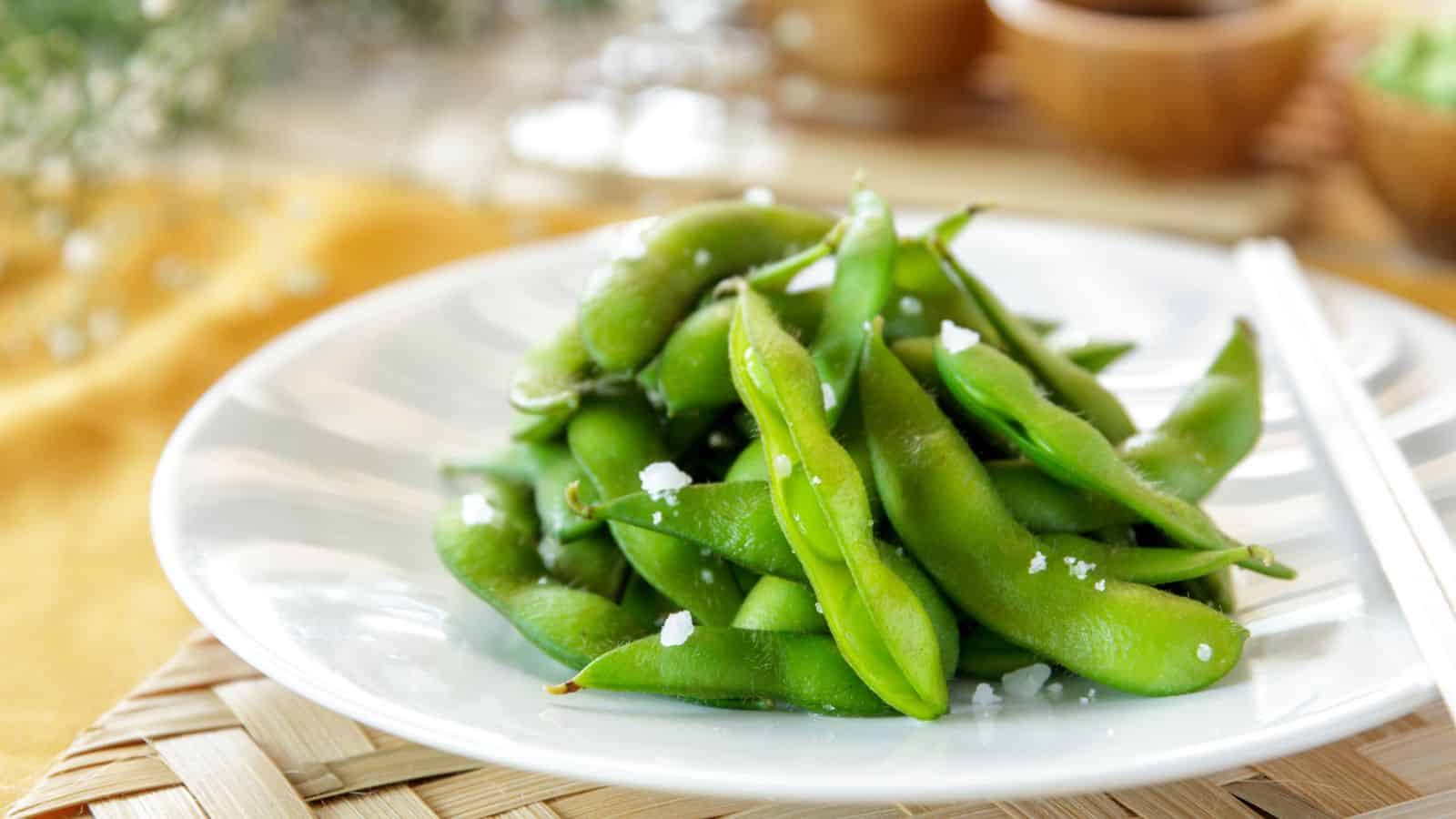
These young soybeans are not only a delicious snack but also a fantastic source of plant-based protein. Edamame is a green superstar containing around 18.4 grams of protein per cup, a complete protein source your body can easily absorb. This protein punch is accompanied by an impressive group of fiber, vitamins, and minerals, making it a filling and nutritious snack or a perfect complement to meals. At just 188 calories per cup, edamame is a smart choice to boost your protein intake while staying mindful of portion sizes. So, whether you're enjoying edamame steamed, roasted, or even blended into a smoothie, you're getting an energizing protein boost.
Tofu and Firm Tofu
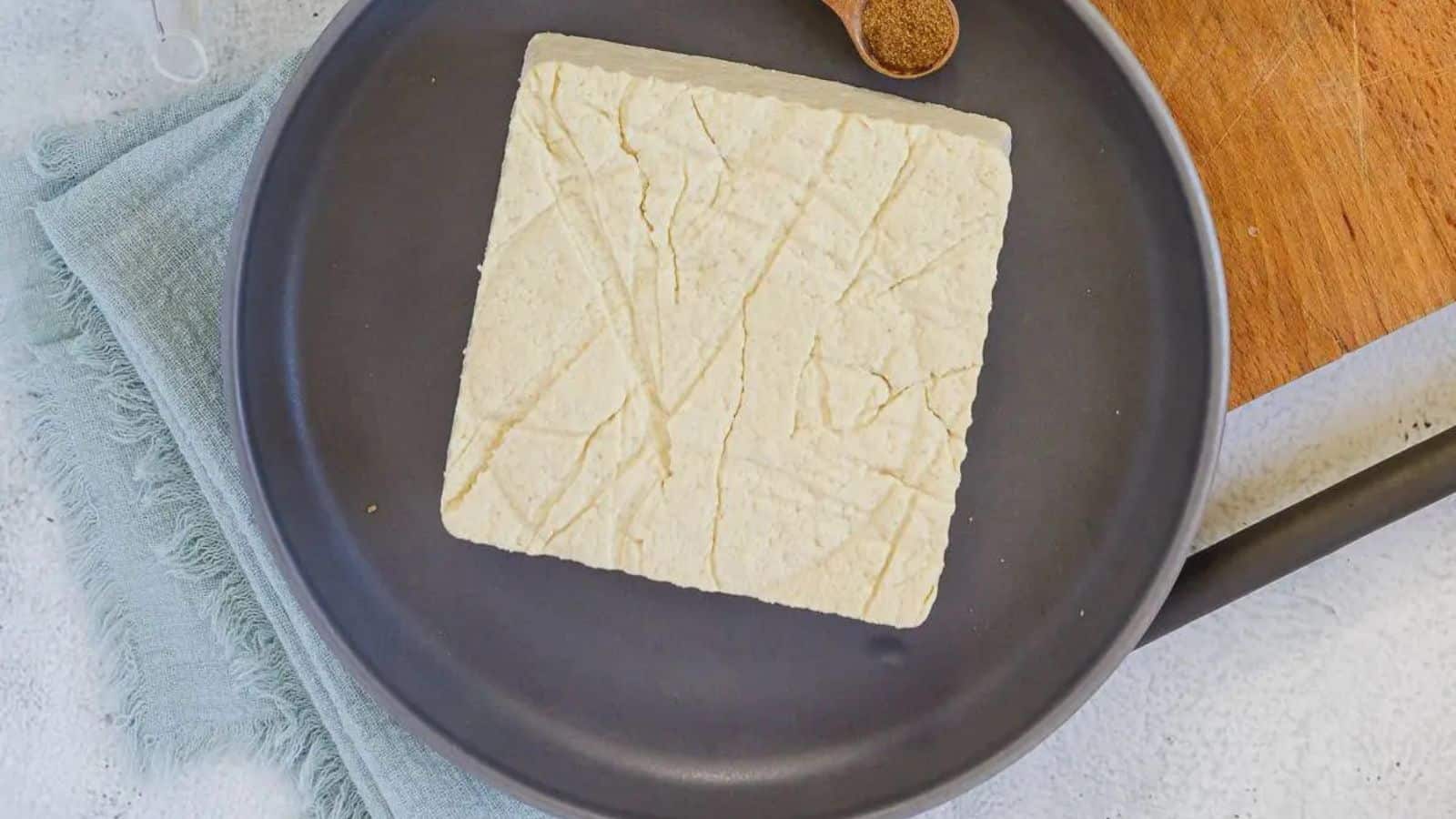
Made from condensed soy milk, tofu is a staple in many plant-based diets. Firm tofu packs around 10 grams of protein per half-cup serving, while extra-firm varieties can contain up to 20 grams due to their denser textures. Tofu is a game-changer for vegetarians and vegans as it also a good source of soy isoflavones, plant compounds that reduces inflammation and improve bone health. Unlike meat, tofu is a blank canvas, readily absorbing marinades and spices to take on a variety of delicious flavors. Its versatility allows it to be baked, grilled, or sautéed for a variety of delicious dishes, making it a great choice for plant-based protein-rich meals.
Seitan
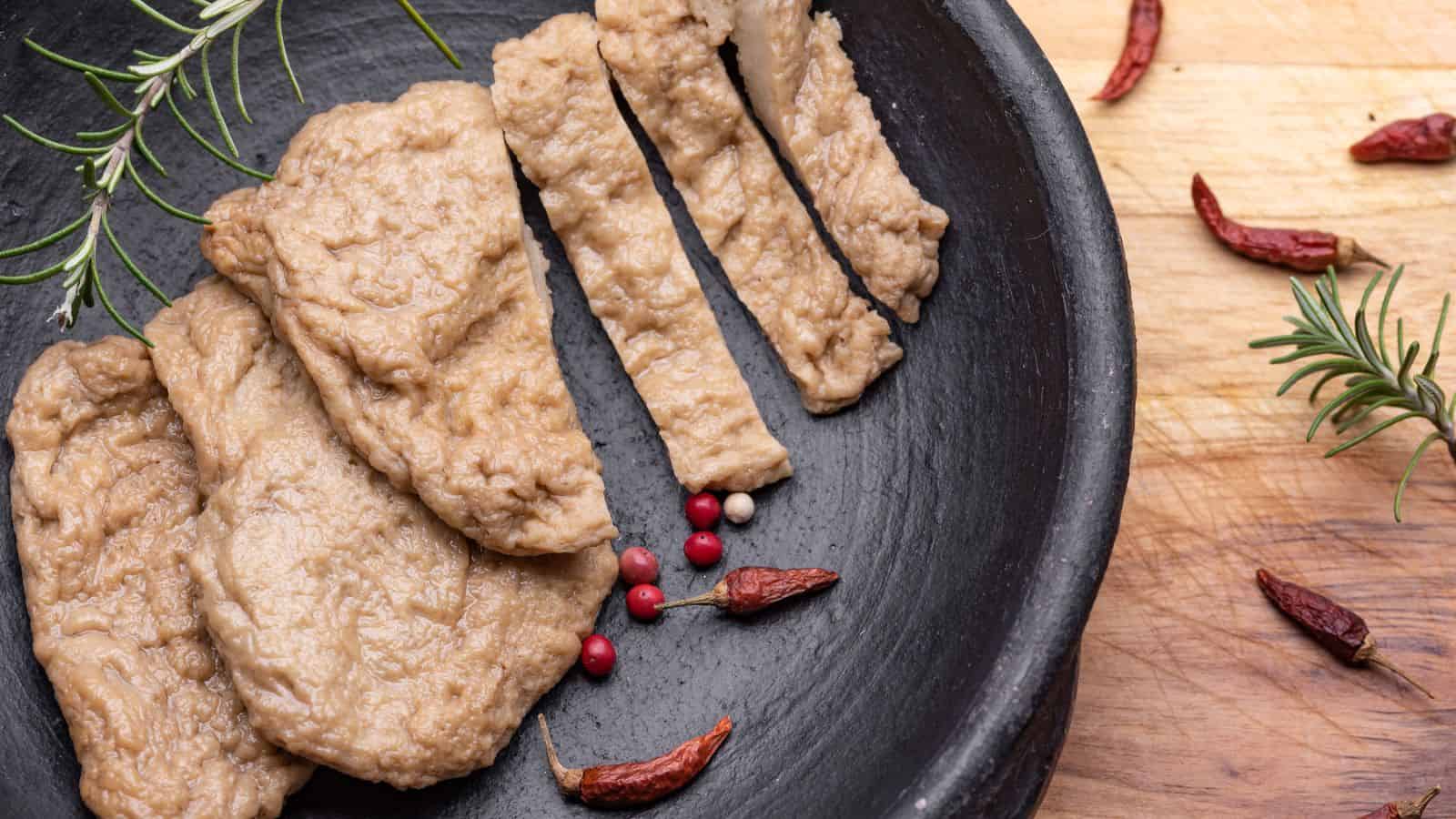
Derived from wheat gluten, seitan is a meat-like protein source that gives an impressive 25 grams of protein per 3.5-ounce serving. However, there's a slight caveat: seitan is an incomplete protein, lacking sufficient amounts of essential amino acids. However, this can easily be remedied by pairing seitan with other plant-based proteins such as legumes. The chewy texture of seitan and its ability to absorb flavors make it a popular choice for vegan and vegetarian dishes. Think lunch bowls consisting of roasted vegetables and chickpeas, or flavourful stir-fries with tofu and broccoli.
Nutritional Yeast
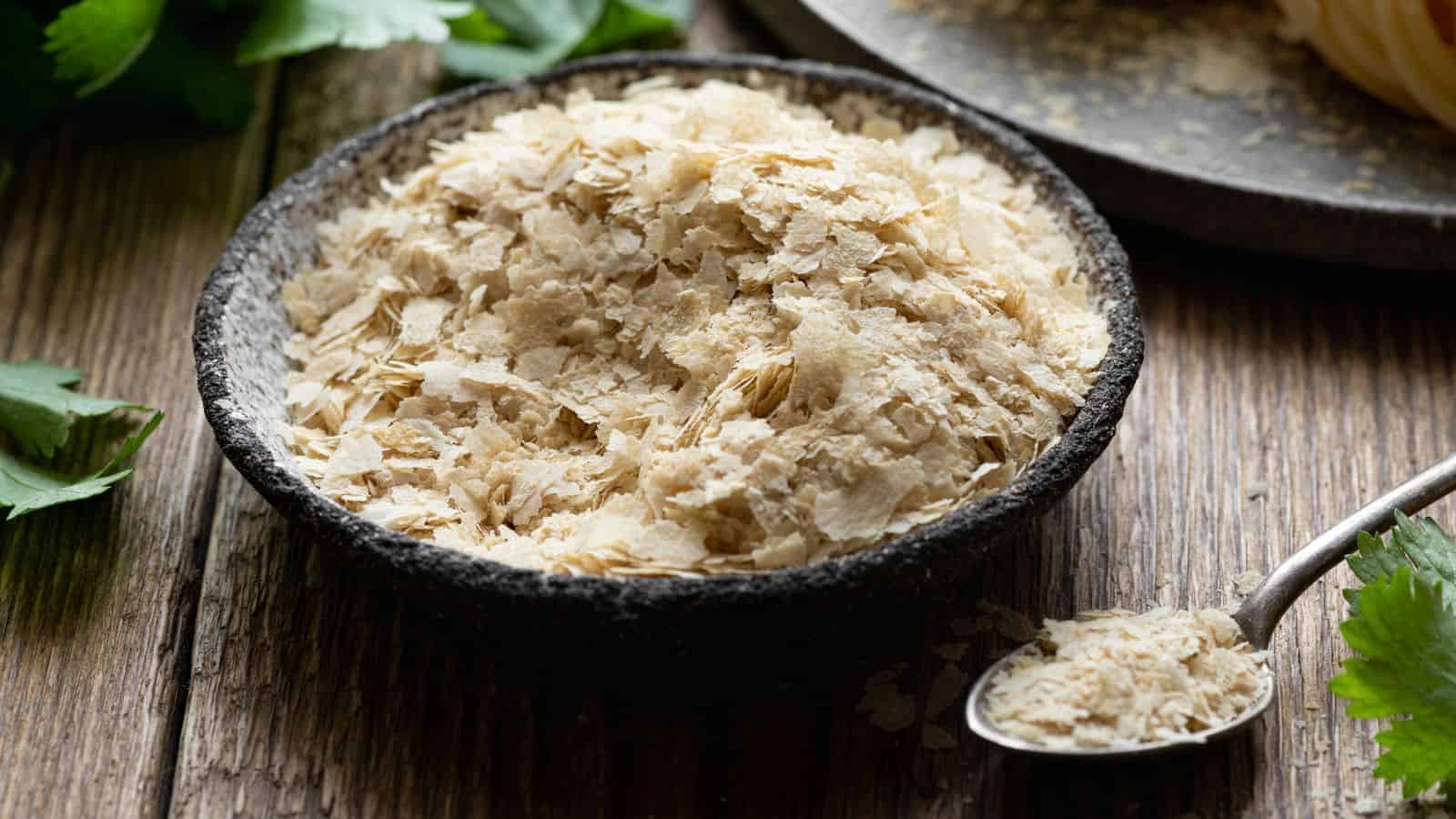
This deactivated yeast is a vegan's best friend, flaunting a cheesy, nutty flavor and a surprising 8 grams of protein per 2 tablespoons. Nutritional yeast's true strength lies in its completeness: it contains all nine essential amino acids. A sprinkle of nutritional yeast adds a protein boost to soups, salads, popcorn, or pasta dishes, instantly elevating them with a rich, nutty depth. Think of it as a vegan version of parmesan cheese, adding a touch of umami magic without any dairy. Plus, it's also a tiny but mighty source of B-vitamins. Nutritional yeast is a great way to add depth and an umami taste to plant-based dishes while boosting their protein content.
Kale
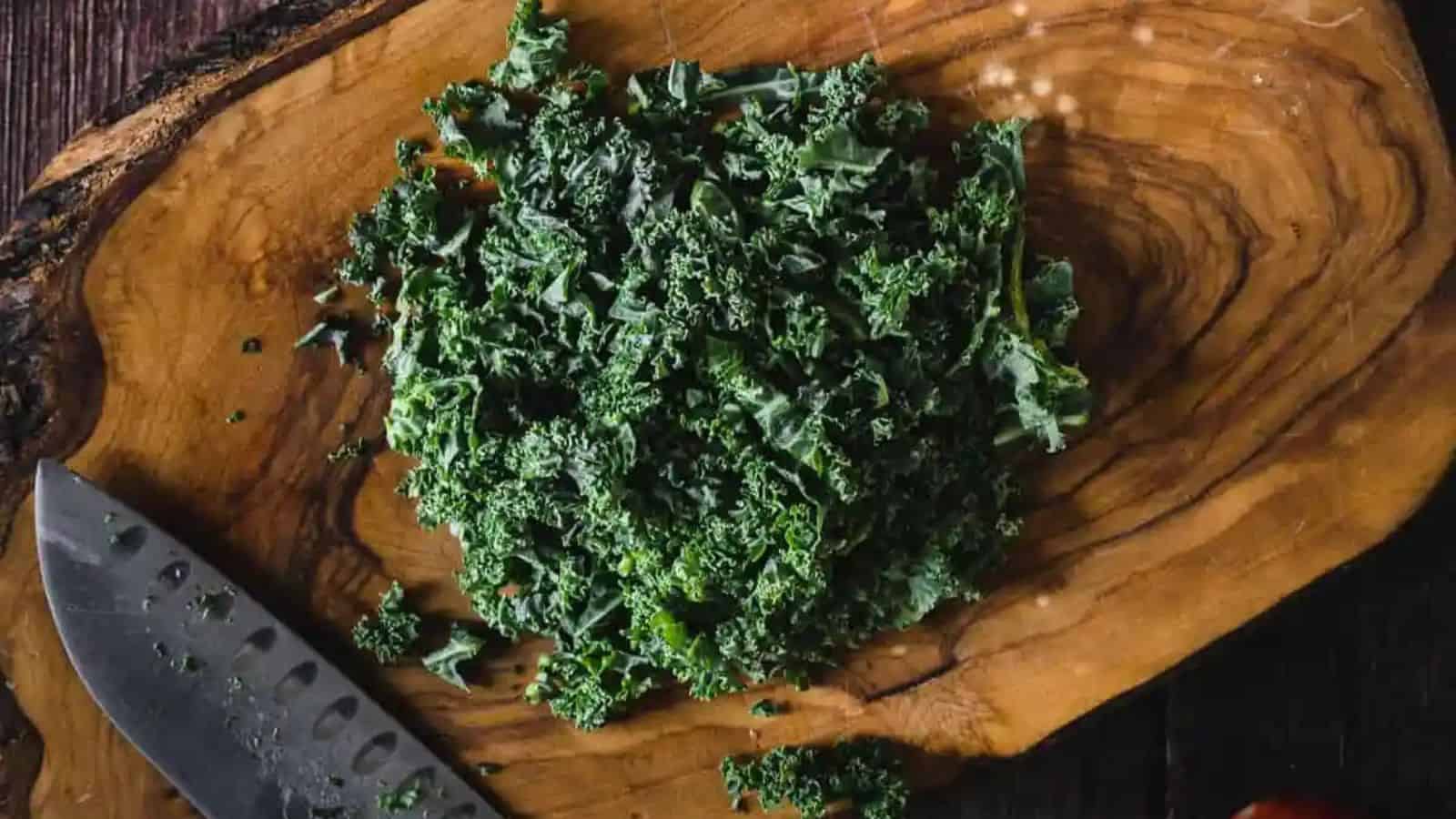
This leafy green superfood is not only loaded with vitamins and minerals but also packs a respectable 2.9 grams of protein per cooked cup. While the amount is modest, kale becomes a protein superstar when strategically paired with other plant-based proteins like quinoa. Together, they create a complete protein profile, maximizing the protein's benefits. This makes kale a valuable team player in building a well-rounded vegan diet. Kale's versatility allows it to be enjoyed in salads, smoothies, chips, and more, making it an easy way to boost your plant-based protein intake.
Chickpeas
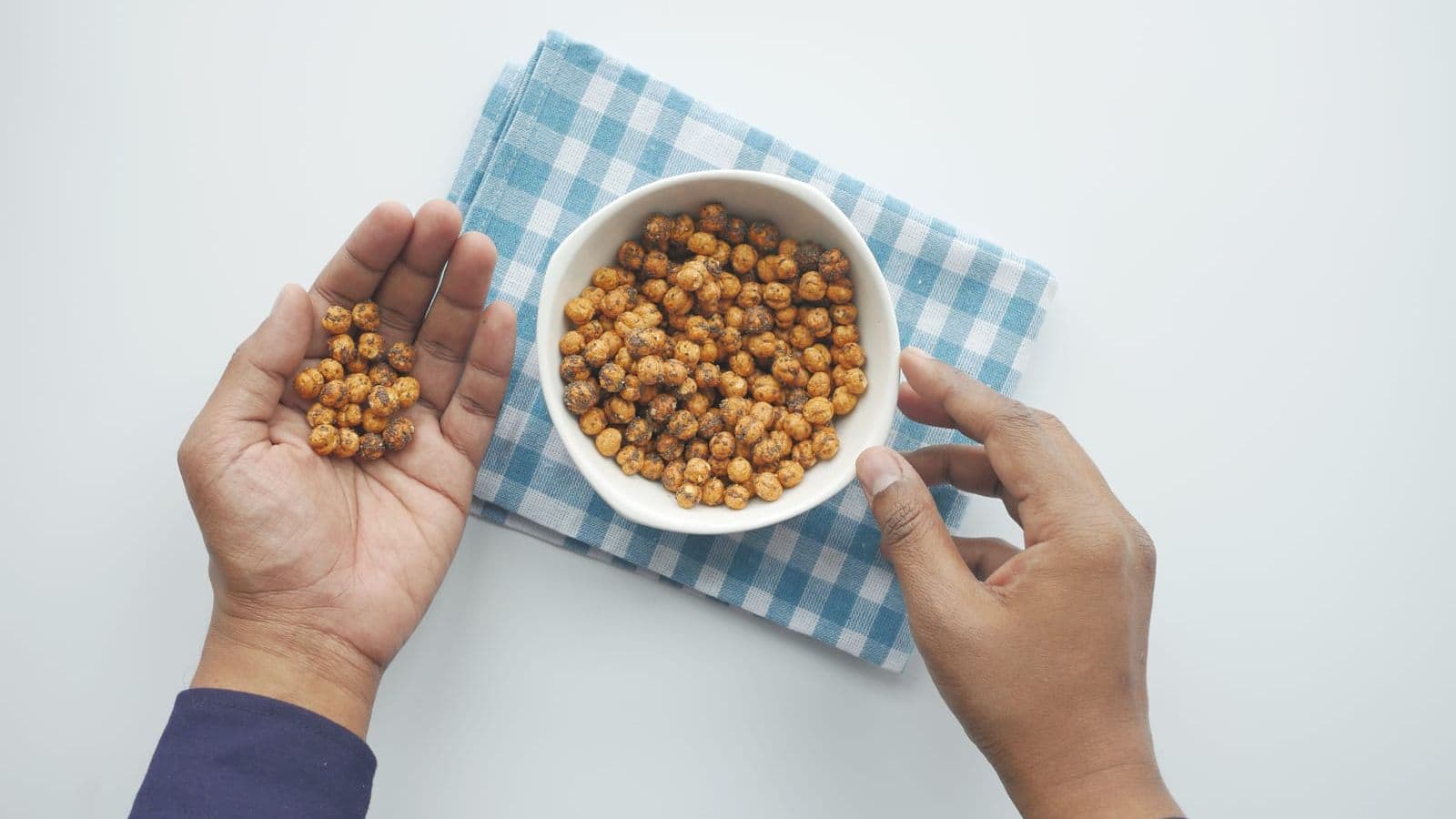
Also known as garbanzo beans, chickpeas are a legume powerhouse, with a whopping 15 grams of protein per cooked cup. This makes them a fantastic option for building muscle and staying satiated on a plant-based diet. Notably, chickpeas are a nearly complete protein source, containing eight out of the nine essential amino acids your body needs to function optimally. The missing amino acid, methionine, can be easily obtained by pairing chickpeas with other plant-based proteins like grains or nuts. This versatility shines through in countless recipes. Enjoy chickpeas in refreshing salads, hearty curries, creamy hummus dips, or even plant-based burgers - the possibilities are endless. So, next time you're looking to create protein-packed and nutrient-rich dishes, choosing chickpeas is a no-brainer.
Vegan Meat Replacements
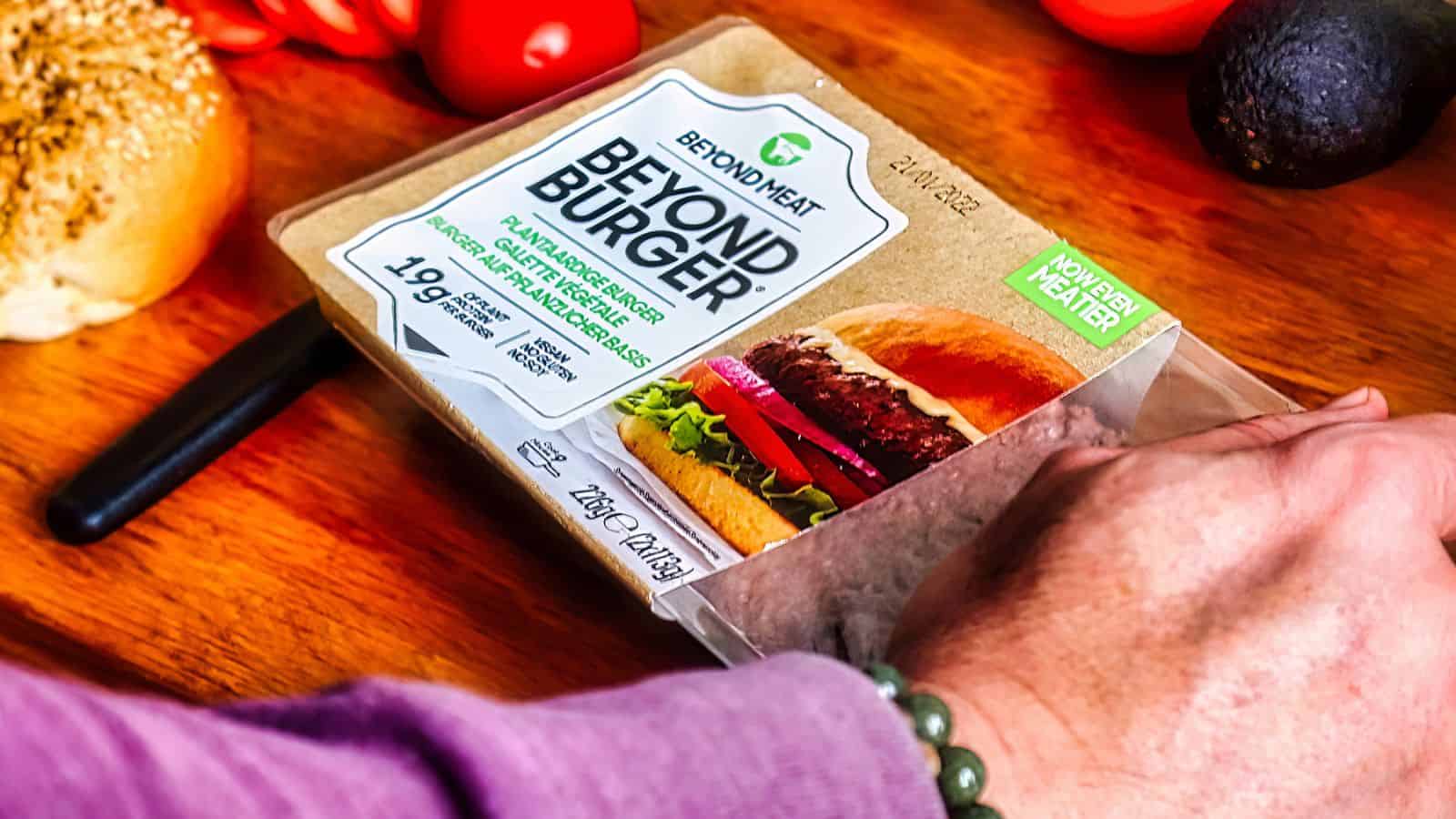
From burgers to sausages, vegan meat replacements like Beyond Meat and Impossible Burger are revolutionizing the plant-based protein game. Crafted from innovative ingredients like pea protein and soy, these products have a meat-like texture and flavor while delivering up to 30 grams of protein per serving. This makes them a convenient option for anyone looking to add variety to their plant-based diet. While some vegan meat replacements may not be complete proteins on their own, they can be easily paired with complementary plant-based proteins like grains or legumes to create a complete amino acid profile. Think vegan chili packed with protein-rich quinoa and kidney beans, vegetarian kebabs or a pea protein burger on a whole-wheat bun for a balanced meal.
Spirulina
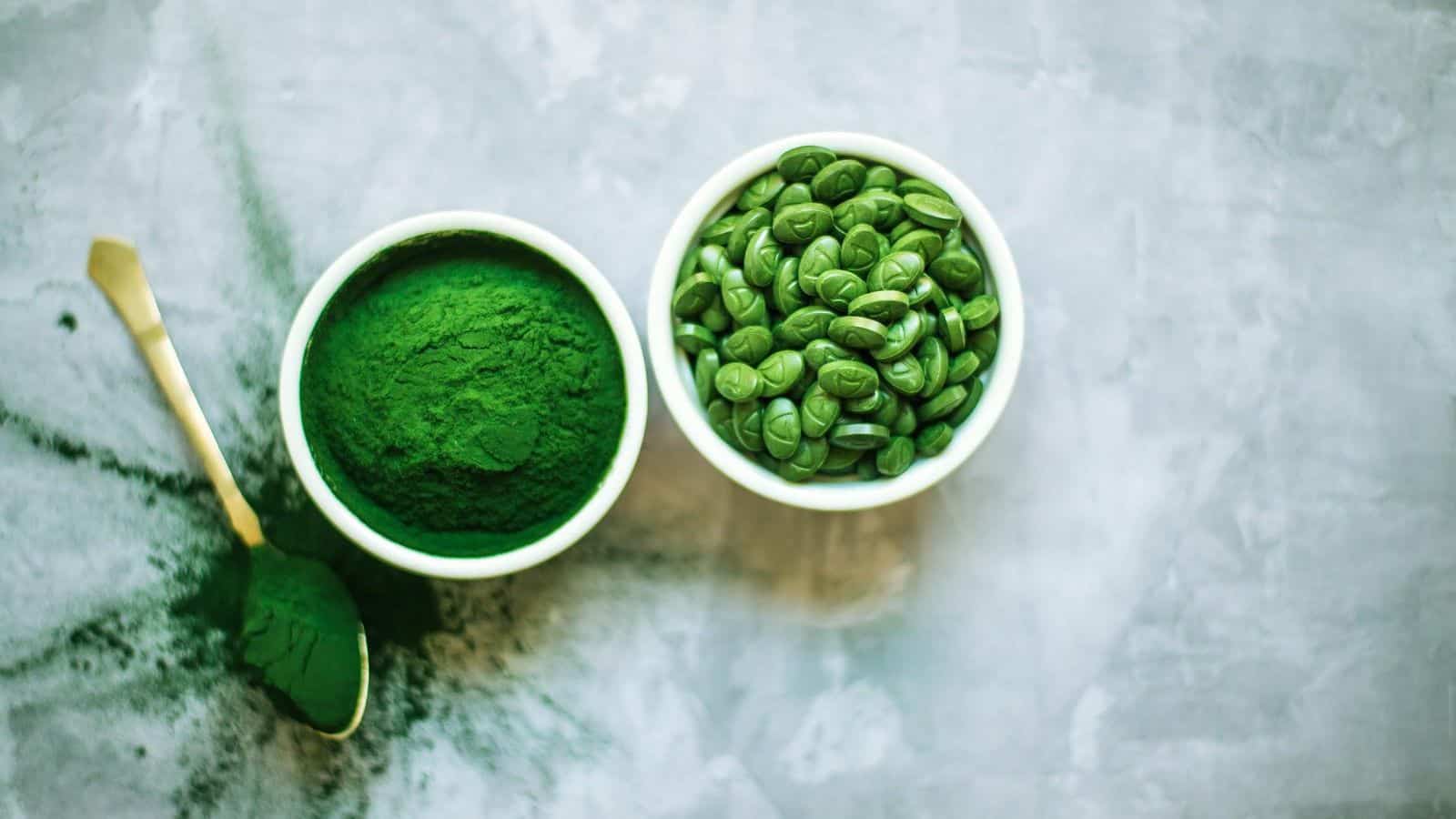
This blue-green algae is a true superfood, packing a whopping 8 grams of protein per 2 tablespoons, along with a host of vitamins, minerals, and antioxidants. Spirulina also boasts a 60-70% protein content, making it a concentrated protein source compared to other plant-based proteins. Its slightly earthy flavor allows you to blend it into smoothies for a hidden protein and nutrient boost, roll it into energy bites for a convenient on-the-go snack, or even add a teaspoon to pasta dishes for a subtle nutritional upgrade.
Chia Seeds
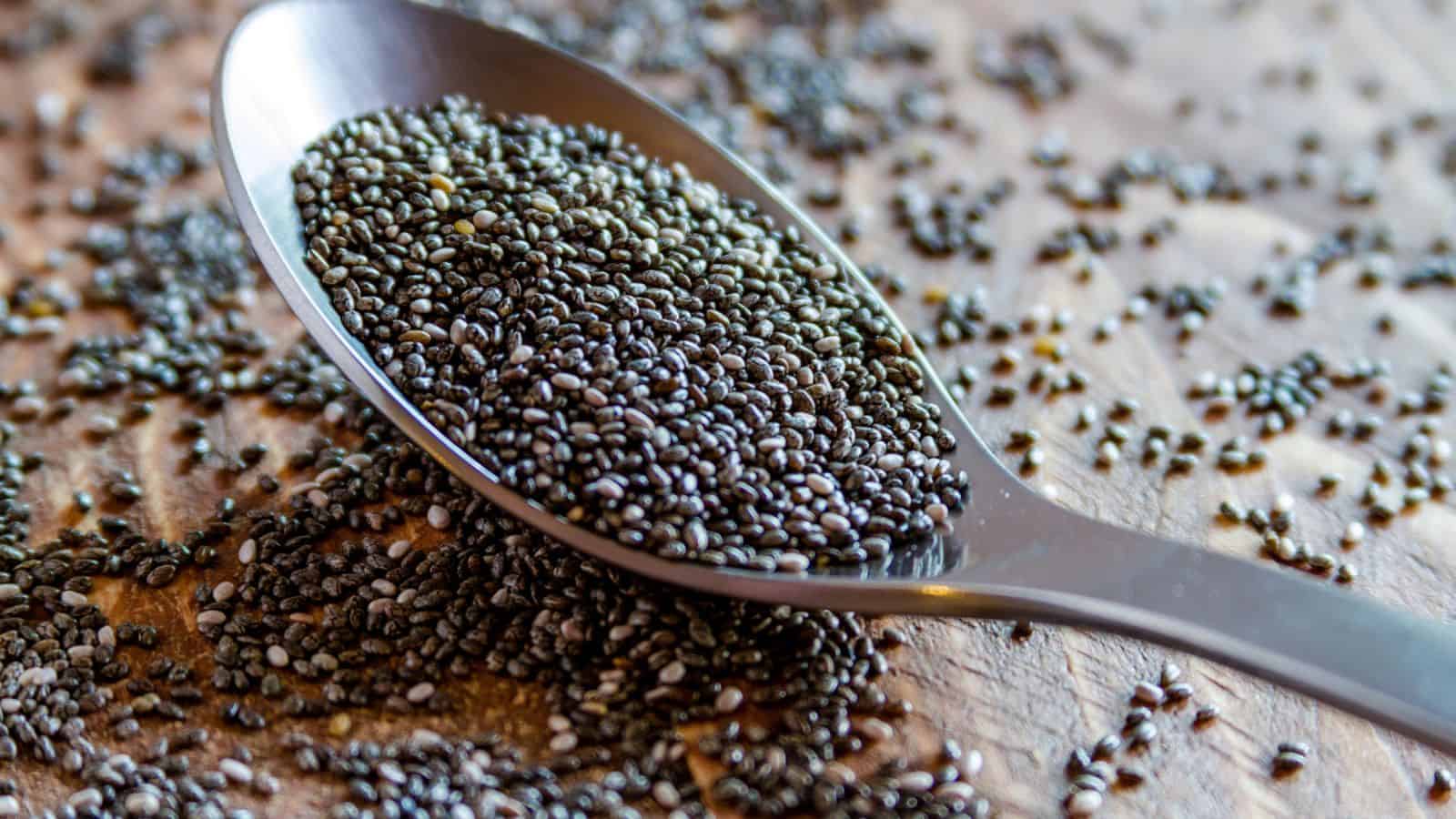
These nutritional superstars may be small, but don't underestimate their plant-based protein power. Chia seeds pack a mighty protein punch with 4-5 grams of protein per 2 tablespoons. The true strength of chia seeds lies in its synergy with other plant-based proteins. Pairing chia seeds with nuts, beans, or even plant-based milk in a smoothie can maximize all the protein's health benefits for your body. Chia seeds are also rich in fiber, omega-3 fatty acids, and antioxidants, making them a versatile and nutritious addition to overnight oats, smoothies, chia puddings, and baked goods.
Hemp Seeds
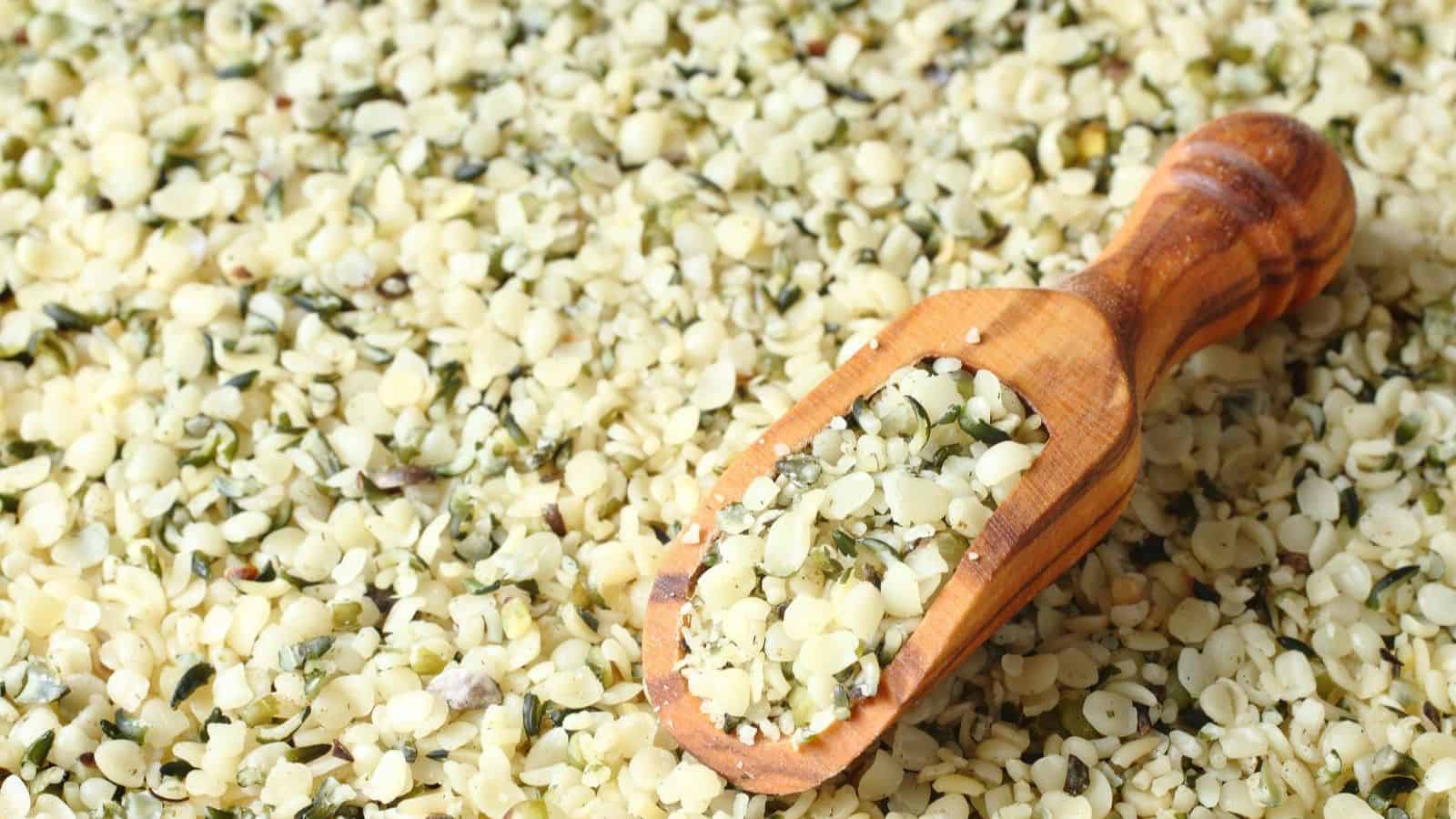
Hemp seeds are a powerhouse when it comes to protein content, boasting an impressive nutritional profile. Packed with essential amino acids, hemp seeds have a complete protein source, making them an excellent option for vegans and vegetarians. Just a small serving of hemp seeds can deliver a significant dose of protein, with around 10 grams per ounce. Not only are they rich in protein, but hemp seeds also contain healthy fats, fiber, vitamins, and minerals, making them a versatile and nutrient-dense addition to any diet. Whether sprinkled on waffles and salads, blended into smoothies, or incorporated into baked goods, hemp seeds are a convenient way to boost your protein intake while enjoying their scrumptuous nutty flavor.
Stay Healthy

By incorporating these 13 veggie-powered proteins into your diet, you can ditch the outdated notion that vegan meals lack muscle-building potential. With a little creativity and the guidance you found here, you can make dishes that fuel your workouts and keep you feeling energized throughout the day, without harming animals. Plus, you'll be reaping the added benefits of a plant-rich lifestyle, like increased fiber intake and reduced saturated fat.
Don't be afraid of variety! You can mix and match different protein sources throughout the week to guarantee you're getting a complete range of amino acids. Explore ethnic cuisines, where plant-based protein takes center stage such as in in dals, curries, and stir-fries.
With this newfound knowledge, get set on your meatless muscle-building journey and discover the power of a well-planned vegan diet. Fuel your fitness goals with plant-based protein - all while making a positive impact on your health and the planet.