
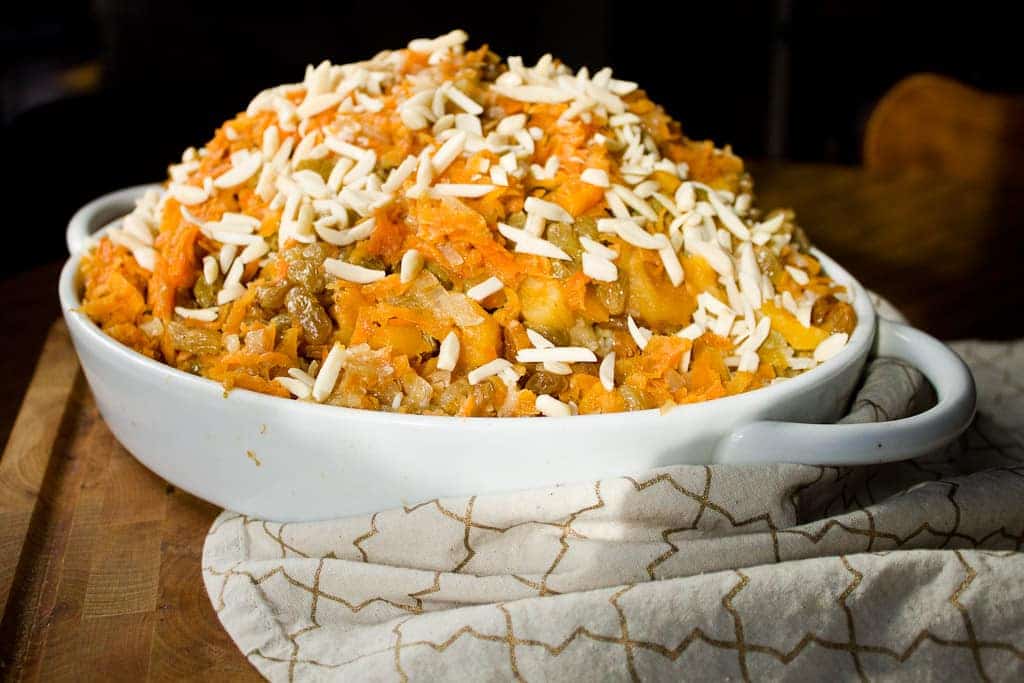
Vegetarian rice pilaf (plov) is a festive dish that combines Eastern spices and flavours with a Russian love of dried fruits, starch and root vegetables.
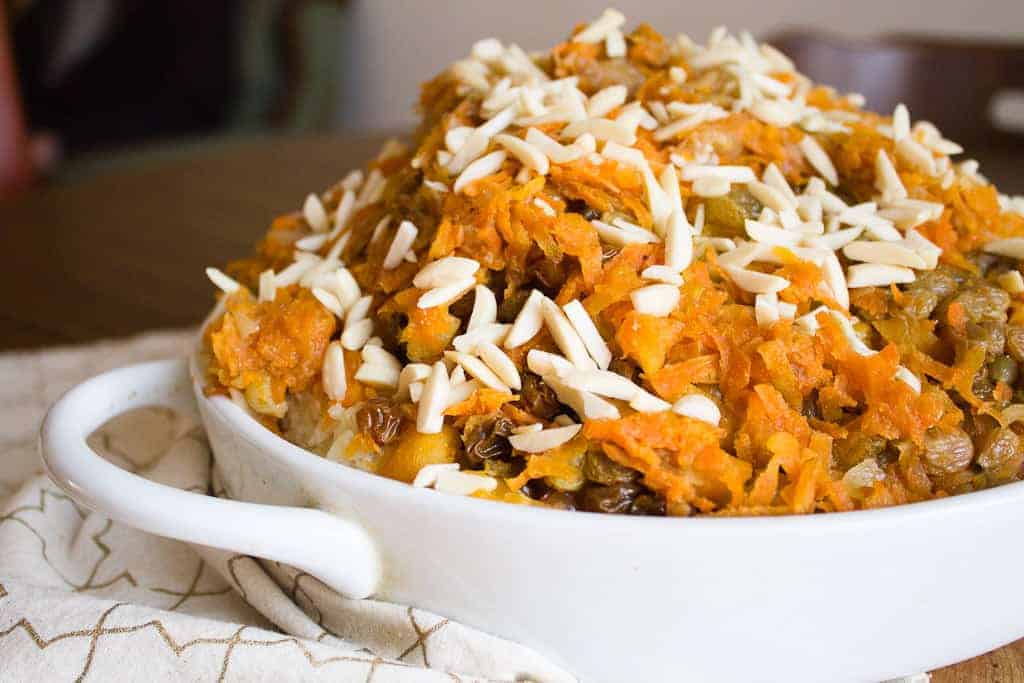
Jeweled Vegetarian rice plov, or why you can't put a broken dish back together
They don't joke around when they say that when it rains, it pours. Throughout my life, trouble has come in clusters. It has never been as neat as groups of three, pairs, or other easily-remembered numbers; instead, problems just congregate together in my life. A hurt knee is followed by a bad mood, followed by an argument, followed by a night sitting at home, feeling sorry for myself. And together, they create a web of misery that engulfs my entire being, and all who come into contact with me.
Such was the week I broke up with my high-school sweetheart, A. It was June, and I was just about to go into my first serious high school final. I had been studying for days, analyzing the works of great Israeli poets and screenwriters, storytellers and gifted novelists. Literature was my strongest subject, and I was set to ace it. I was intent on spending a Saturday in a study group with my best girlfriends, a day spent sipping lemonade, quizzing each other and writing longform preparatory essays.
The night before, A and I had gotten into an argument. That in itself was not an uncommon occurrence. I was high-spirited and easily irritable, and he was blessed with a golden heart, a lot of patience, but also a great deal of sensitivity. We clashed often, but usually he was the one to back down and apologize. But not this time. The fight went on for hours, and when I eventually said, no, screamed that we should take a break, he grabbed his bag, slammed the door and rode his shiny yellow bike away. I was left in my teenage bedroom, fiercely hugging the giant stuffed lion he gave me one birthday, and crying angry, bitter tears, blaming everyone but myself for what has occurred.
The following day, I could barely open my bloodshot, tear-soaked eyes. I stared at the phone every available minute, wishing for him to call, apologize, make things right again. But when he did, I was angry and cold. I could not gather enough courage to express the humility I knew I should feel, to apologize for my rashness and to ask for forgiveness. Until then, I had prided myself on my refusal to back down and apologize. I did not realize that my stubbornness was costing me in precious self-reflection, happiness, and tranquility. Instead, I plowed along the only way I knew how: straight ahead. I reread the study material, quizzed my friends, and cried every available minute, but I was not backing down.
The next day, the exam was disastrous. I could barely recall what I heretofore considered brilliant insights. My sentences were awkward and badly strung-together, a cacophony of syllables in place of the rhapsody I had imagined. I knew I had done badly the moment I closed the booklet. But again, there was no turning back. I handed my exam and walked out of the classroom, my head held high. I waited until I got home to break down in tears.

A few days later, our stand-off was still continuing. We spoke occasionally, but the conversations were barren and stilted. He drank and went out with his friends. I cried and stuffed my face with cheese. Neither one of us was doing too well, but neither one was willing to be the first one to back down, either. My mother tried to comfort me, but I closed the door and turned my music louder. There was little room for anyone else in my bubble of teenage angst.
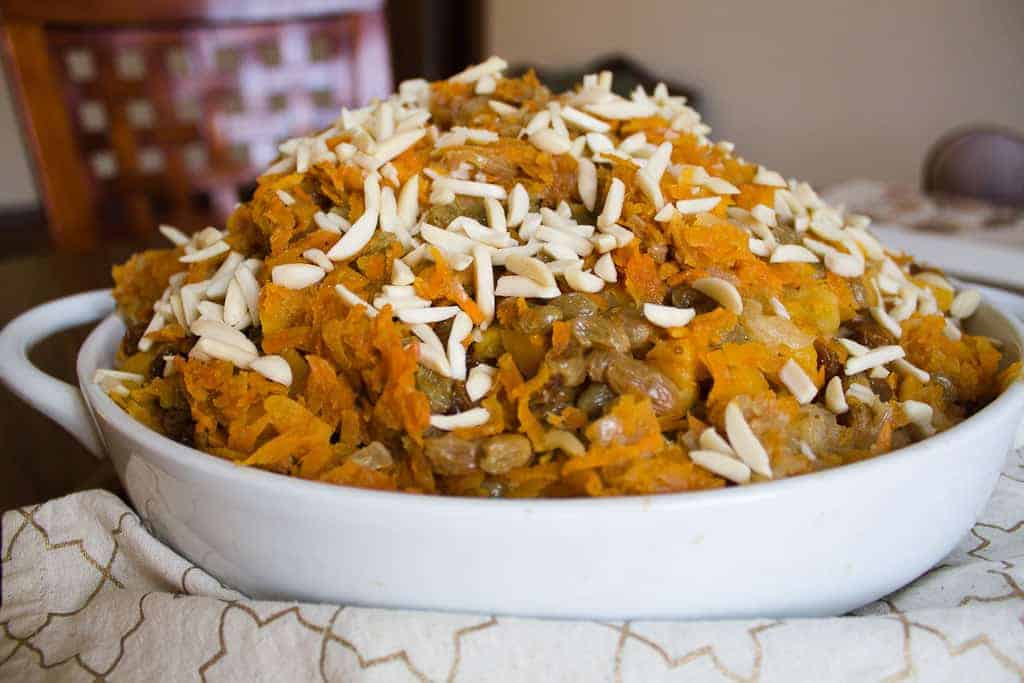
The next day, my mother had come home with a large casserole dish covered in tinfoil. She had ordered plov, a Russian dish of rice, dried fruit, nuts, and meat, from a co-worker, and she was looking forward to having it that night with my father, sister and grandparents. The plov is a rare dish, a unique combination of Eastern spices and flavours with a Russian sensibility for putting together disparate ingredients, starch and root vegetables. I was devastated; not only was my life crumbling, but my insensitive mother had also completely ignored my state and bought a special, festive dish that I could not even partake in. She asked me to put it down on the table and heat it up before she came home.
I don't remember what was the final straw: a stray word from my sister, a bad phone call with A, or a frustrating moment in my favourite television show. The result was all the same: I exploded, shouting at every one and every thing, throwing shoes, pillows, and newspapers on the floor all around me. As a final pièce de résistance, I threw the big, heavy, glass casserole dish of plov on the ground.
When it fell to the floor, the world seemed to change to slow motion. A myriad of thoughts raced through my mind. I felt sick to my stomach at the thought of wasting food, disrespecting the cook's labour, and throwing away my mother's money, for I knew the plov has cost a pretty penny. I was also angry at the world for allowing this to happen, for not changing the course of affairs sooner and allowing me to save face, make up, and get back together with my love. But most of all, I was disgusted with myself. I had realized I had taken my selfishness and anger just a step too far, and there would be no turning back. I tried to gather the plov back into another container, but the glass dish had shattered so completely that I had proceeded to cut my fingers upon first touch. I had no idea what to do, but I realized I would not be able to put this broken dish back together.

When my mother walked through the door half an hour later, I met her with tears in my eyes. Unsurprisingly, she was livid, calling me a brat and ordering me to buy another glass dish to replace the one I had broken. She shouted at me for what felt like eternity, her green eyes big and bright, shining with anger, her mouth twisted into a devastating expression of disappointment and distrust. I said little.
That evening, I called A and asked if he would come over. When he asked what for, I swallowed the stone that had been stuck in my throat for nearly a week. I spoke quietly, my eyes downcast, fiddling with the pillows on my bed. Amidst the platitudes, my lips put together what I had heretofore imagined was unspeakable: I said I was sorry and that I missed him. He came within the hour.
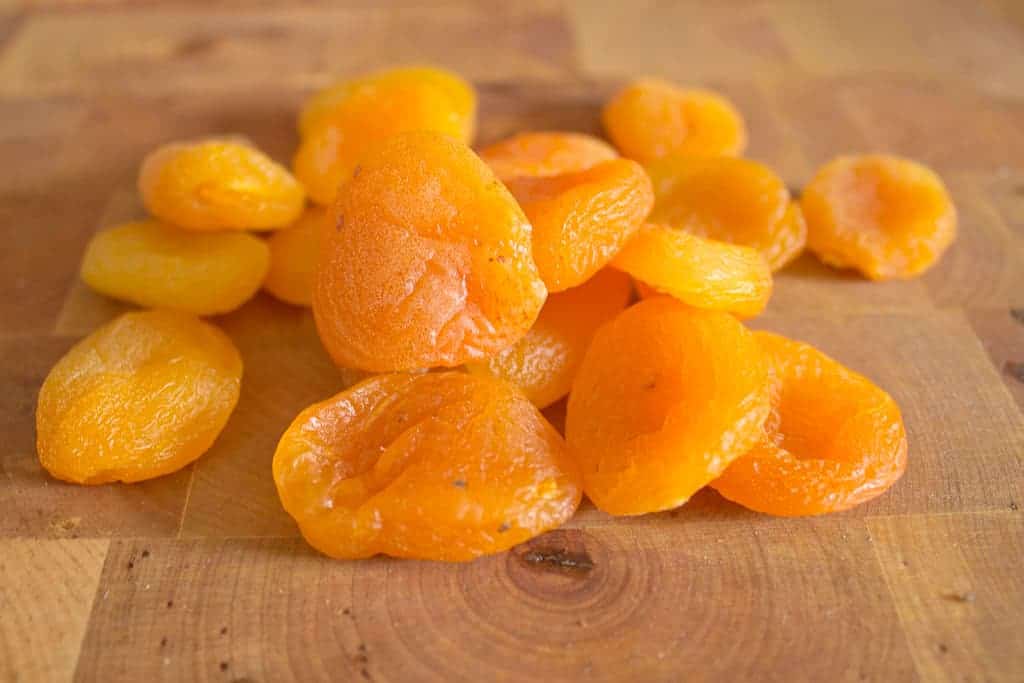
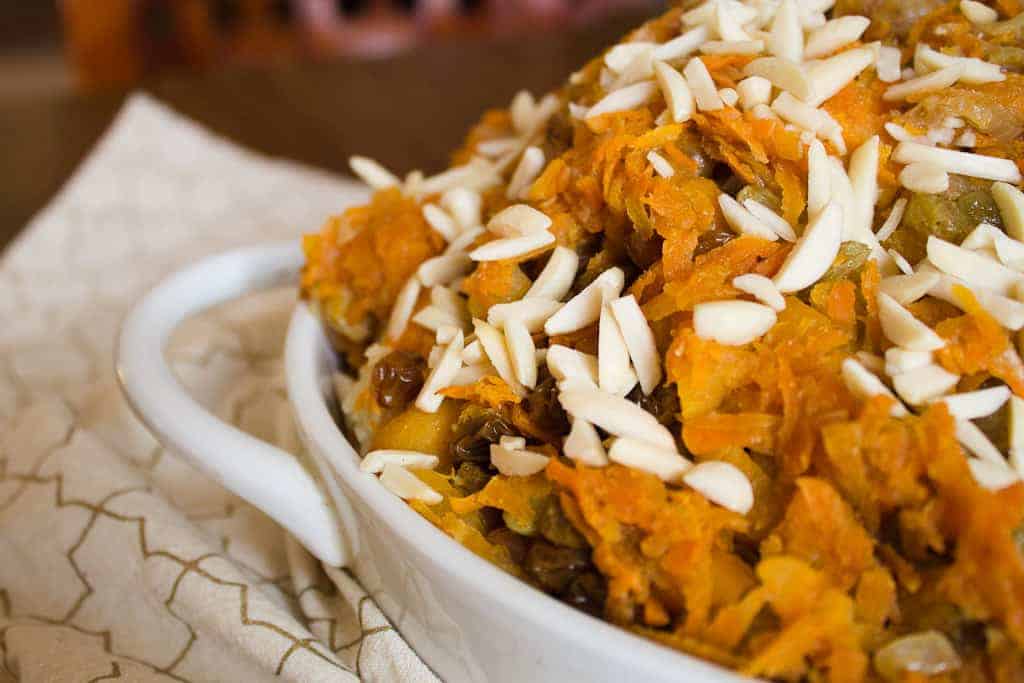
My stomach is still twisted in knots as I write this 12 years later. I remember the broken pieces of glass littering the floor, the juicy rice, and the uniform chunks of precious dried fruit interlaced amongst them. The grated and cooked carrots had created pools of orange in our kitchen, and the fragrance of the cooked onion permeated every nook and crevice for days. I also remember the bitterness of my anger, the suffocating feeling of having to hold back my words, the metallic taste of blood as I cut my fingers and bit my tongue. And I remember how good it felt to let it all out and apologize.
A few months later, A and I broke up once more, this time for good. I did badly on that first exam, but aced the next one, and finished with an A+ in literature. I no longer remember what my mother or my sister had said to upset me on that fateful day. But I'll never forget the smell, look, and sound of that plov dish falling to the floor, its receptacle shattering, the filling falling out in heaps, hours of labour and love gone to waste. It took me many years until I dared to make my first vegetarian rice plov, and it was not without trepidation. But I have since learned my lesson: sometimes, it's better to reveal your true feelings than wasting perfectly good plov, and then try to put a broken dish back together.
Is it Plov or Pilaf?
The terms plov and pilaf are often used interchangeably, but they reflect different culinary traditions and philosophies. Pilaf is the broader, international term - you'll find it across the Middle East, Central Asia, and South Asia, each culture adding its own spice blend, cooking method, and regional flair. Plov, on the other hand, is a specific style of pilaf that hails primarily from Central Asia, especially Uzbekistan.
In Russia, plov has been lovingly adopted - often with local twists like the addition of prunes, carrots, or even canned peas. In many post-Soviet households, it's a celebratory dish, hearty and bright with dried fruits, toasted nuts, and golden onions. So while plov is technically Uzbek in origin, its Russian version (like this one) speaks to the kind of culinary cross-pollination that defines so many immigrant and diasporic kitchens.
In short: all plov is pilaf, but not all pilaf is plov.
Ingredients that Makes This Vegetable Rice Pilaf Special?
This jeweled plov skips the traditional meat, but still delivers on richness, fragrance, and texture. Here's what makes it sing:
- Basmati or Long-Grain Rice: The foundation - light, fluffy, and perfect for absorbing flavor without turning sticky.
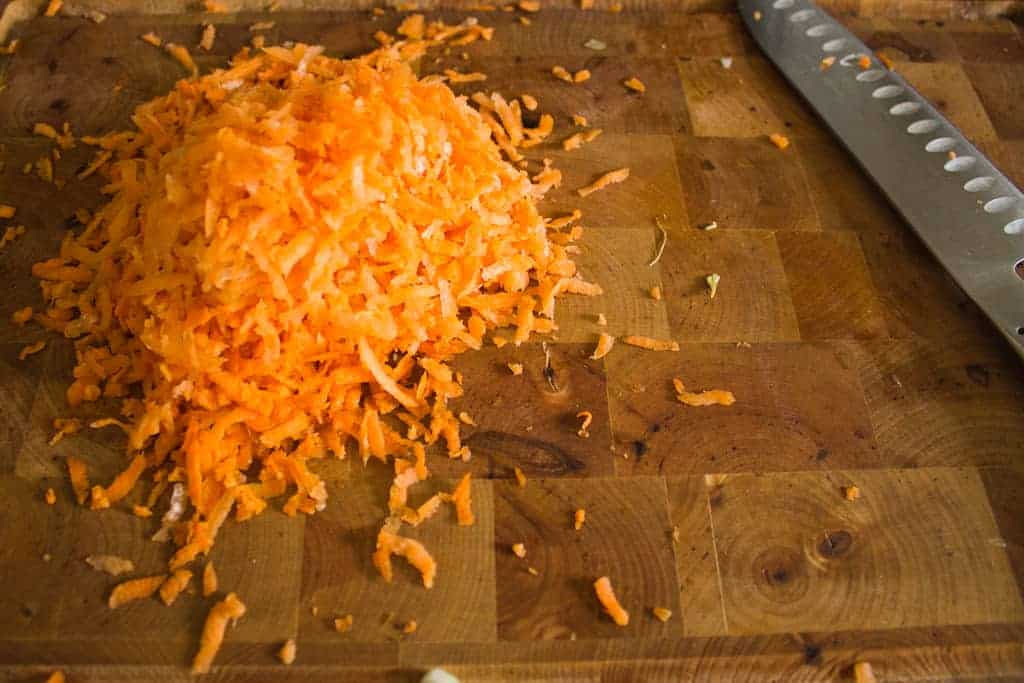
- Aromatic Onion & Carrot Base: Slowly cooked onions and finely grated carrots form a sweet-savory sofrito that anchors the dish. The carrots melt into the rice and tint it gold.
- Ginger & Ground Coriander: Fresh or dry ginger adds subtle heat and brightness; coriander brings floral, lemony warmth.
- Salt: Don't skimp - the rice needs to be well-seasoned before it cooks to ensure every bite is flavorful.
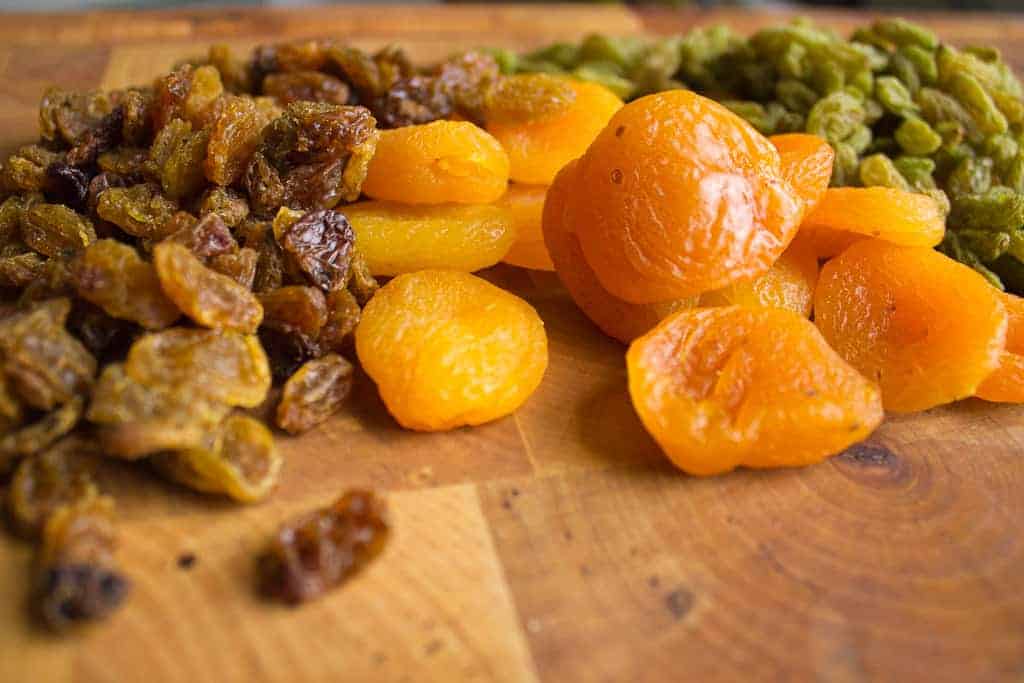
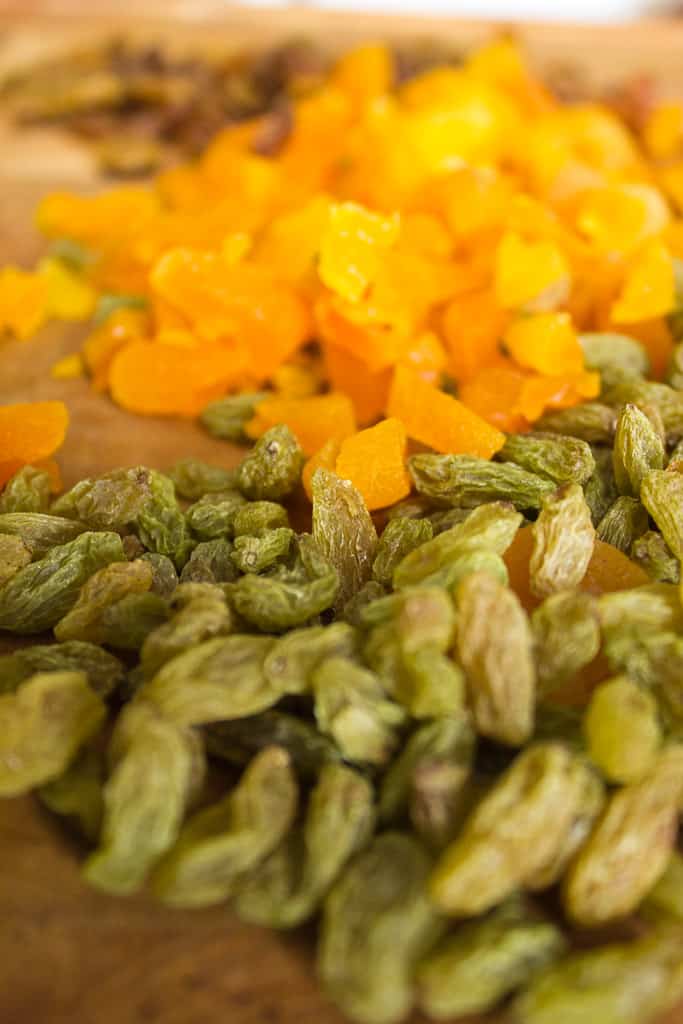
- Dried Fruit Medley: Raisins, apricots, prunes - or whatever dried fruits you like - add both sweetness and texture. Their chewiness contrasts with the tender rice.
- Toasted Nuts: Chopped almonds or pistachios bring crunch and a touch of luxury.
- Optional Fresh Herbs: Parsley or cilantro give the final dish a pop of freshness, though it's delicious without.
Mastering the Art of Cooking Rice
The secret to a perfect pilaf - or any rice dish - lies in treating the rice with care. Here are a few essential tips:
Soak it first: Soaking rice for at least an hour removes excess starch, helping it stay fluffy and separate - essential for dishes like vegetarian plov or pomegranate chicken and rice.
Don't stir: Once the rice is added, leave it alone. Stirring mid-cook releases starch and leads to clumping - especially problematic in layered dishes like plov or crispy rice salad.
Use just enough water: Cover the rice with water plus about two extra inches. Too much water = mush; too little = crunch.
Steam and rest: Cover the pot with a towel under the lid to absorb moisture. Let it rest off heat for 10-15 minutes - this helps the grains firm up and separate.
Want more rice inspiration? Try this cozy butternut squash wild rice pilaf or these Middle Eastern tofu rice bowls for fresh takes on the grain that feeds the world.
Directions to Make this Easy Vegetable Rice Pilaf
Prep the Rice
Soak your rice in cold water for at least two hours, or ideally overnight. This step is key to ensuring long, separate grains that don't turn sticky during cooking.
Build the Flavor Base
Heat oil in a heavy-bottomed pot or Dutch oven over medium heat. Finely chop the onion and sauté it until golden and fragrant.
Reduce the heat slightly. If using fresh ginger, grate it directly into the pot. Add the spices. Stir until aromatic. Then, add finely grated carrots and continue cooking.
Incorporate Dried Fruits
Chop the dried fruits into roughly equal-sized pieces. Add them to the pot with just enough water to cover the mixture. Stir gently and simmer on low-medium heat. The fruit should soften and start releasing its juices.
Layer the Rice
Drain the soaked rice and stir in the rest of the salt. Gently spoon the rice on top of the cooked vegetable and fruit mixture. Do not stir. Drizzle oil over the top and pour in enough water to just cover the rice by two inches.
Steam and Cook
Using the handle of a wooden spoon, poke holes in the rice, all the way to the bottom of the pot. This helps the steam circulate and cook the rice evenly.
Cover the pot with a clean kitchen towel, then seal tightly with the lid, tucking the towel edges up and over the top. Heat over medium until steam begins to escape (5-10 minutes), then immediately reduce to the lowest heat setting. Cook undisturbed for 35-40 minutes.
Rest and Flip
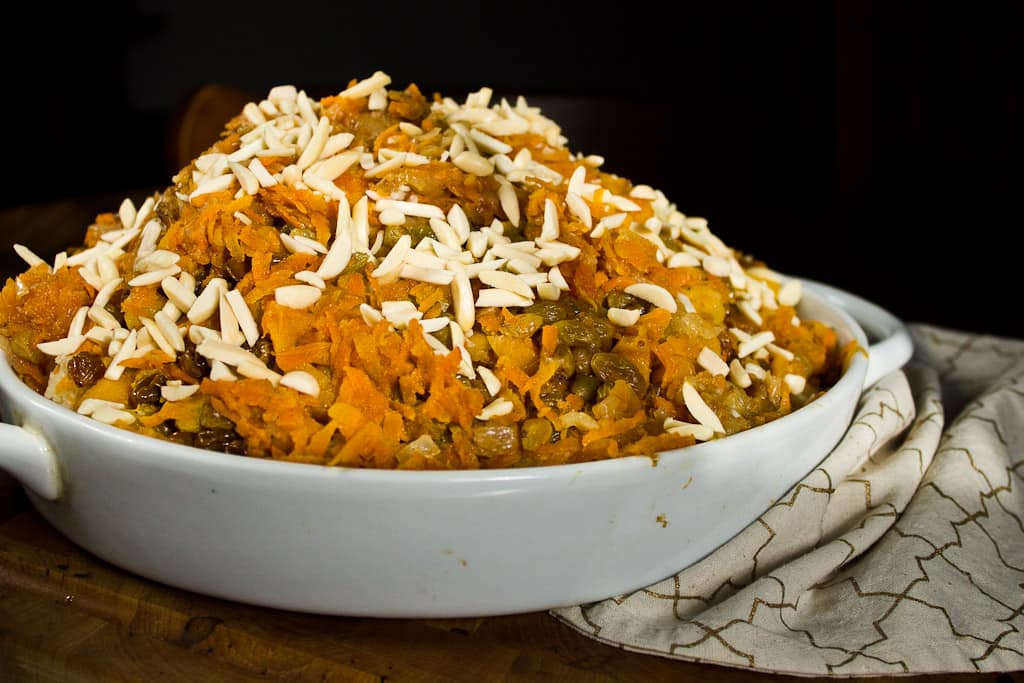
Turn off the heat and let the pilaf rest, covered. To serve, place a wide platter over the pot, invert it, and carefully lift off the pot - the contents should slide out in one beautiful, golden dome. (If it's your first time, consider doing this in the kitchen, not in front of guests.)
Garnish and Serve
Sprinkle with chopped nuts and herbs, if using. Serve warm, ideally with friends and something to toast with.
Tips to Make Your Own Vegetarian Pilaf
Make steam vents: Use the handle of a wooden spoon to poke holes in the rice before covering - this helps it cook evenly.
Use a kitchen towel under the lid: It absorbs steam and creates a drier, fluffier final result.
Flip with flair (or caution): The dramatic pot-flip onto a platter is traditional, but try it in private the first time. Practice makes plov-perfect.
Storage
This vegetarian pilaf stores beautifully. Let leftovers cool completely, then transfer to an airtight container and refrigerate for up to 5 days. Reheat gently in a covered pan with a splash of water, or microwave in short bursts. The dried fruits soften even more overnight, making the flavors meld deliciously.
Recipe
Tried and loved this recipe? Please leave a 5-star review below! Your reviews mean a lot to me, so if you've got any questions, please let me know in a comment.
Jeweled vegetarian rice plov
Equipment
- Dutch oven (Or heavy bottomed pot)
Ingredients
- 2 cups of long-grain or basmati rice
- 1 large onion
- 2 carrots
- 2- inch piece of ginger or 2 tsps of dry ginger
- 2 tsps ground coriander
- 3 tsps salt and more, to taste
- ½ cup raisins
- ½ cup dried apricots
- ½ cup prunes or any other dried fruit of your choice
- ¼ cup chopped almonds or pistachios
- parsley or cilantro optional
Instructions
- Soak rice overnight, or at least for a couple of hours.
- Heat a large heavy-bottomed pot on medium heat. Add 1 tablespoon of oil to the pot. Finely chop onion, and add to pot. Sauté onion until it turns golden, about five minutes.
- Reduce heat to low-medium. If using fresh ginger, grate it, or add dry ginger, coriander and 1 teaspoon of salt to onion. Mix and sauté for another 2 minutes.
- Finely grate carrots. Add them to pot and let soften for another 5 minutes.
- Finely chop all of your dried fruit in equal-sized bits. Add them to pot with just enough water to cover, mix well, and let cook on low-medium heat for 10 minutes.
- Drain rice, and mix in an additional 2 tsps of salt. Add rice to pot, but do not stir or mix it with any of the other ingredients! Add 1 Tb of oil, and just enough water to cover the rice, plus an additional two inches.
- Using the end of a wooden spoon, poke five to six holes in rice all the way through to bottom of pot. This will help it release steam and cook evenly.
- Place a clean kitchen towel over pot, cover with a tight-fitting lid, and secure the loose edges of the towel on top of lid. Cook on medium heat until pot is beginning to steam, about 5-10 minutes (no peeking!), and then reduce heat to very low. Let cook slowly, without stirring or peeking, until rice is cooked through, about 35-40 minutes. Turn off heat and let plov rest for about 15 minutes without removing lid. Check for doneness, and if need be, let cook 10 minutes longer.
- When serving, pick a large platter that is bigger than the circumference of your pot. Cover the top of the rice pot with the platter, face-down, and turn the whole thing over, gently wiggling the pot and allowing the rice to pour out with the veggies on top. Russians like to turn the pot over in front of their guests, letting the rice and jeweled mixture spill onto the platter. If this is your first time making it, do this ahead of time in the kitchen to avoid embarrassing mishaps. Decorate with chopped almonds or pistachios and chopped cilantro or parsley, if desired.
Nutrition


Diana Zankowsky says
Made this dish for company last night. One of my guests is vegetarian so I wanted something spectacular and unusual and this fit that criteria. Also, it was delicious. And it made much more than 8 servings.
I also reheated a portion of the leftovers for breakfast this morning. A hot rice cereal with fruit. Loved it!
kseniaprints says
My kids feel the same way, hahah! It's SOO popular with them.
Nana_France says
I used Basmati rice and it was very overcooked in the recommended cooking time. So the flavour was less than intense. So I was a bit disappointed. I will try it again but cook it for a significantly shorter period of time, and see does that make the necessary difference.
kseniaprints says
Hmmm I'm surprised it overcooked for you - my grandma uses basmati and this is what she does. However, it could be that the texture we liked for this pilaf is too soft for your liking!