
Hitting 50 is a milestone worth celebrating, and it's the perfect time to rethink what's on your plate. Nutrition becomes even more crucial as we age, making it smart to focus on eating healthy. These superfoods to eat for when you're over 50 will make your meals fun and satisfying.
We know you've already probably heard about the importance of eating well but knowing which foods to prioritize can make all the difference. Think about it: with these nutrient-rich options, you get to boost your energy, support your heart, and keep your brain sharp.
So if you're ready to know all the healthy superfoods you should be eating at 50, this guide is here to help. Whether it's breakfast, lunch, or dinner, these superfoods fit seamlessly into any meal plan. It's all about making small, manageable changes that can make a significant impact on your health and vitality. Let's get started!

Blueberries
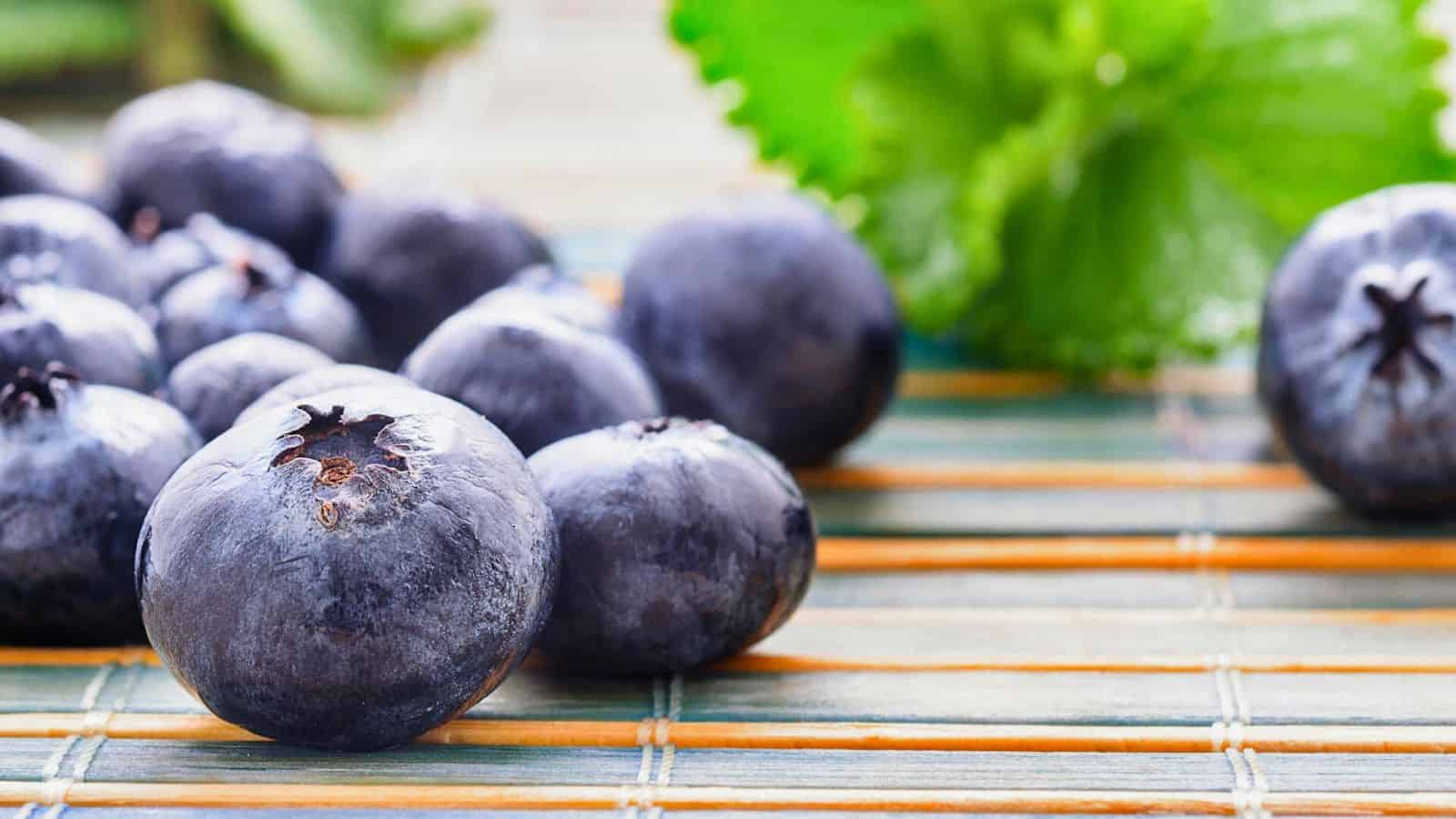
These little berries are incredibly nutrient-dense, loaded with vitamins C and K, and fiber. Their high antioxidant content helps combat oxidative stress and inflammation, which are linked to aging and various diseases. Regular consumption can support cognitive function, potentially delaying age-related decline in brain health. Blueberries are also good for heart health, as they help lower blood pressure and reduce the risk of cardiovascular disease. Including them in your diet can boost wellness and vitality.
Salmon

Salmon is a powerhouse of essential nutrients, particularly rich in omega-3 fatty acids like EPA and DHA, which are crucial for heart health. These fatty acids reduce inflammation, lower blood pressure, and decrease the risk of heart disease. Additionally, salmon is an excellent source of high-quality protein, which is vital for muscle maintenance, especially as we age. It's also packed with B vitamins, selenium, and potassium, contributing to brain health and bone strength. Regularly eating salmon can help maintain a healthy cardiovascular system and support cognitive function.
Leafy Greens (Spinach, Kale)

These vegetables are incredibly nutritious, with a wide range of vitamins and minerals essential for health. Spinach and kale are particularly high in vitamins A, C, and K, which are important for bone health, immune function, and vision. They also contain antioxidants like lutein and zeaxanthin, which protect the eyes from age-related damage. The fiber in leafy greens aids digestion and helps maintain a healthy weight. Including a variety of these greens in your diet can significantly boost nutrient intake and support long-term health.
Nuts (Almonds, Walnuts)
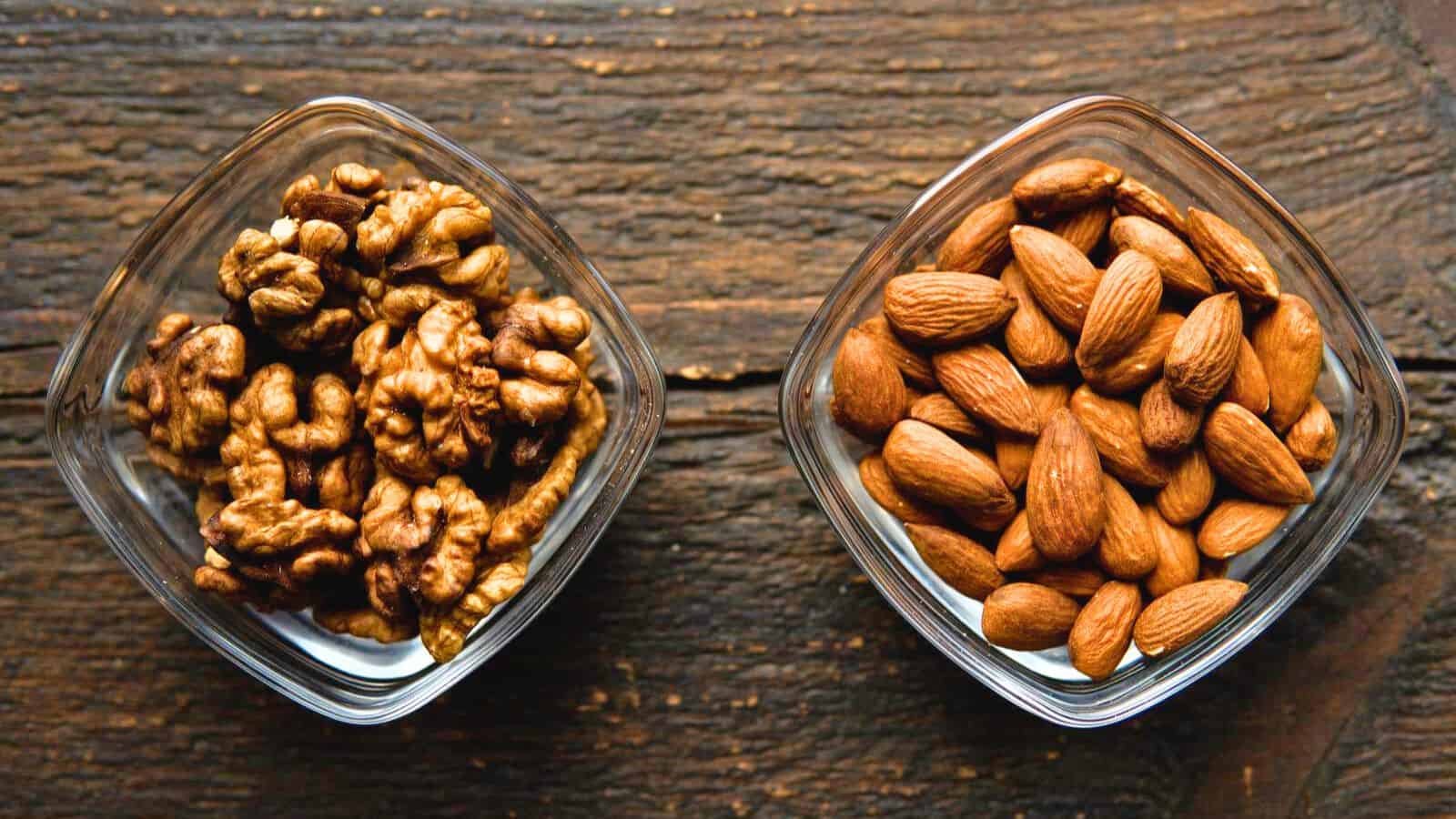
Nuts like almonds and walnuts are packed with healthy fats, protein, and fiber, making them an excellent snack for heart health. The monounsaturated and polyunsaturated fats in nuts help reduce bad cholesterol levels and lower the risk of heart disease. They are also rich in antioxidants, vitamins, and minerals, including vitamin E, magnesium, and selenium, which support brain health and reduce inflammation. Eating nuts regularly can enhance cognitive function and protect against age-related cognitive decline.
Greek Yogurt

Greek yogurt is a nutritious dairy product that is higher in protein compared to regular yogurt, making it a great choice for maintaining muscle mass and strength. It's also rich in probiotics, which are beneficial bacteria that support gut health and improve digestion. The calcium and vitamin D in Greek yogurt contribute to bone health, reducing the risk of osteoporosis as we age. Its nutrient-dense profile can support weight management by promoting a feeling of fullness and reducing calorie intake.
Avocados

Loaded with healthy monounsaturated fats, avocados can support heart health by lowering bad cholesterol levels and reduce the risk of heart disease. They are also rich in fiber, which aids digestion and helps maintain a healthy weight. Avocados have a variety of essential nutrients, including potassium, vitamin K, vitamin E, and B vitamins, which are important for health. The antioxidants in avocados help reduce inflammation and protect cells from damage. Regular consumption can support cardiovascular health, improve digestion, and enhance nutrient absorption.
Quinoa

Quinoa is a nutrient-rich grain that is considered a complete protein, containing all nine essential amino acids. This makes it an excellent choice for maintaining muscle mass and supporting health. It's also high in fiber, which promotes digestive health and helps regulate blood sugar levels. Quinoa has important vitamins and minerals, including magnesium, iron, and B vitamins, which contribute to energy production and well-being. Its low glycemic index makes it a good option for managing blood sugar levels and maintaining a healthy weight.
Turmeric

Turmeric is a spice known for its anti-inflammatory and antioxidant properties, primarily due to its active compound, curcumin. Regular consumption of turmeric can help reduce chronic inflammation, which is linked to various age-related diseases, including arthritis and heart disease. It also supports brain health by boosting levels of brain-derived neurotrophic factor (BDNF), which enhances cognitive function and reduces the risk of neurodegenerative diseases. Turmeric can also improve heart health by improving the function of the endothelium, the lining of blood vessels.
Sweet Potatoes

These potatoes are a rich source of vitamins A and C, which are important for immune function, skin health, and eye health. Sweet potatoes also contain fiber, which aids digestion and helps regulate blood sugar levels. The antioxidants in sweet potatoes, including beta-carotene, protect cells from damage and reduce the risk of chronic diseases. They have complex carbohydrates, which are a steady source of energy, making them an excellent choice for maintaining energy levels throughout the day.
Dark Chocolate

Rich in antioxidants, particularly flavonoids, dark chocolate can support heart health by improving blood flow and reducing blood pressure. The compounds in dark chocolate can also enhance brain function by increasing blood flow to the brain and improving cognitive performance. It contains important minerals such as iron, magnesium, copper, and manganese, which contribute to health. Dark chocolate also has anti-inflammatory properties, which can help reduce the risk of chronic diseases. However, keep in mind that you should consume moderately!
Green Tea

Green tea is known for its high content of antioxidants, particularly catechins, which help protect cells from damage and reduce the risk of chronic diseases. Regular consumption of green tea can improve brain function by enhancing memory and increasing alertness. The caffeine and L-theanine in green tea work together to supply a balanced energy boost without the jitters. Green tea also supports metabolic health by increasing fat-burning and improving insulin sensitivity. Its anti-inflammatory properties contribute to heart health and reduce the risk of cardiovascular disease.
Chia Seeds
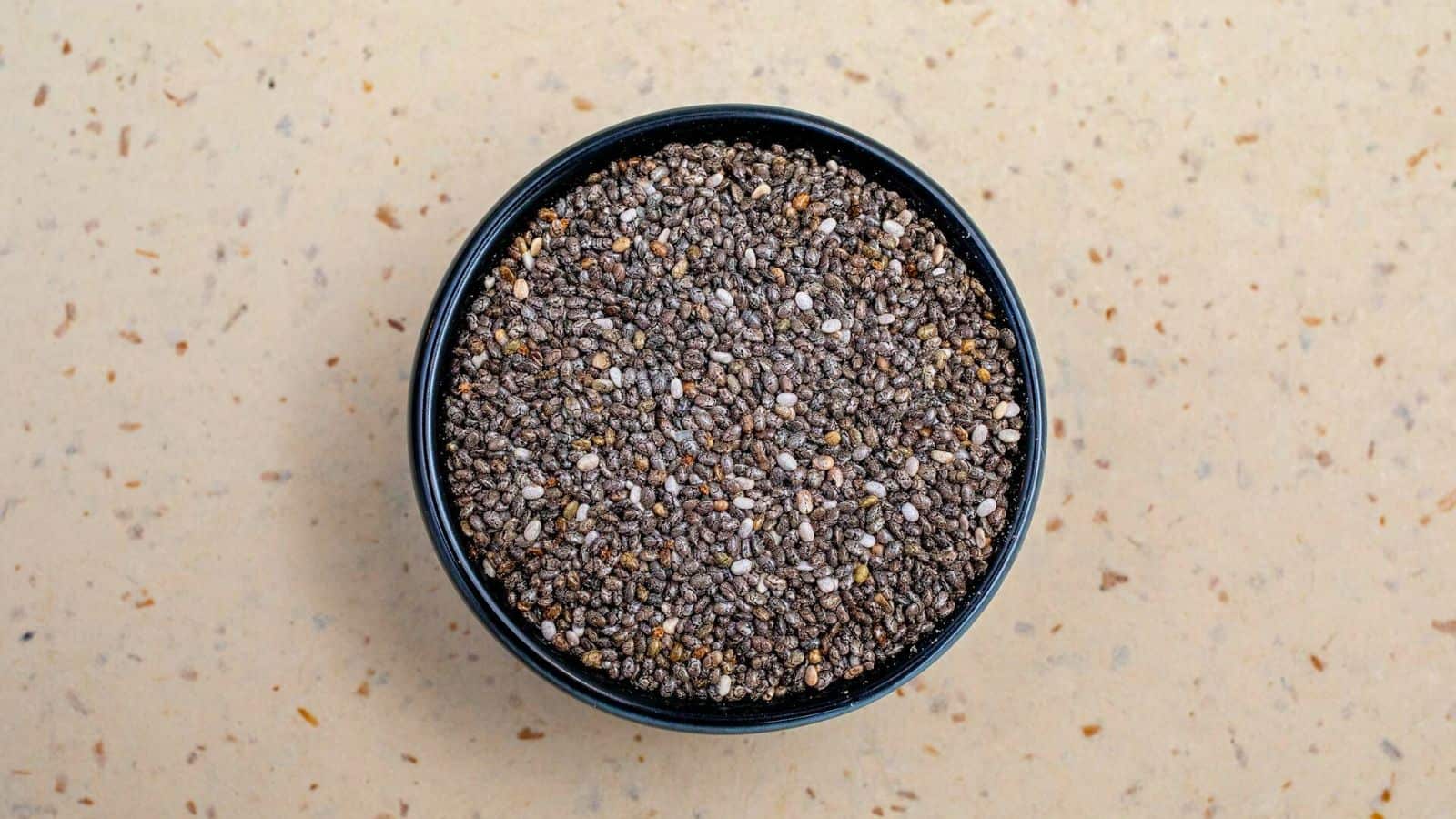
Chia seeds are packed with omega-3 fatty acids, fiber, and protein, making them an excellent choice for heart health and digestion. The omega-3s in chia seeds help reduce inflammation and lower the risk of heart disease. Their high fiber content supports digestive health by promoting regular bowel movements and preventing constipation. Chia seeds also supply important minerals such as calcium, magnesium, and phosphorus, which are essential for bone health. Their protein content helps maintain muscle mass and supports health.
Tomatoes
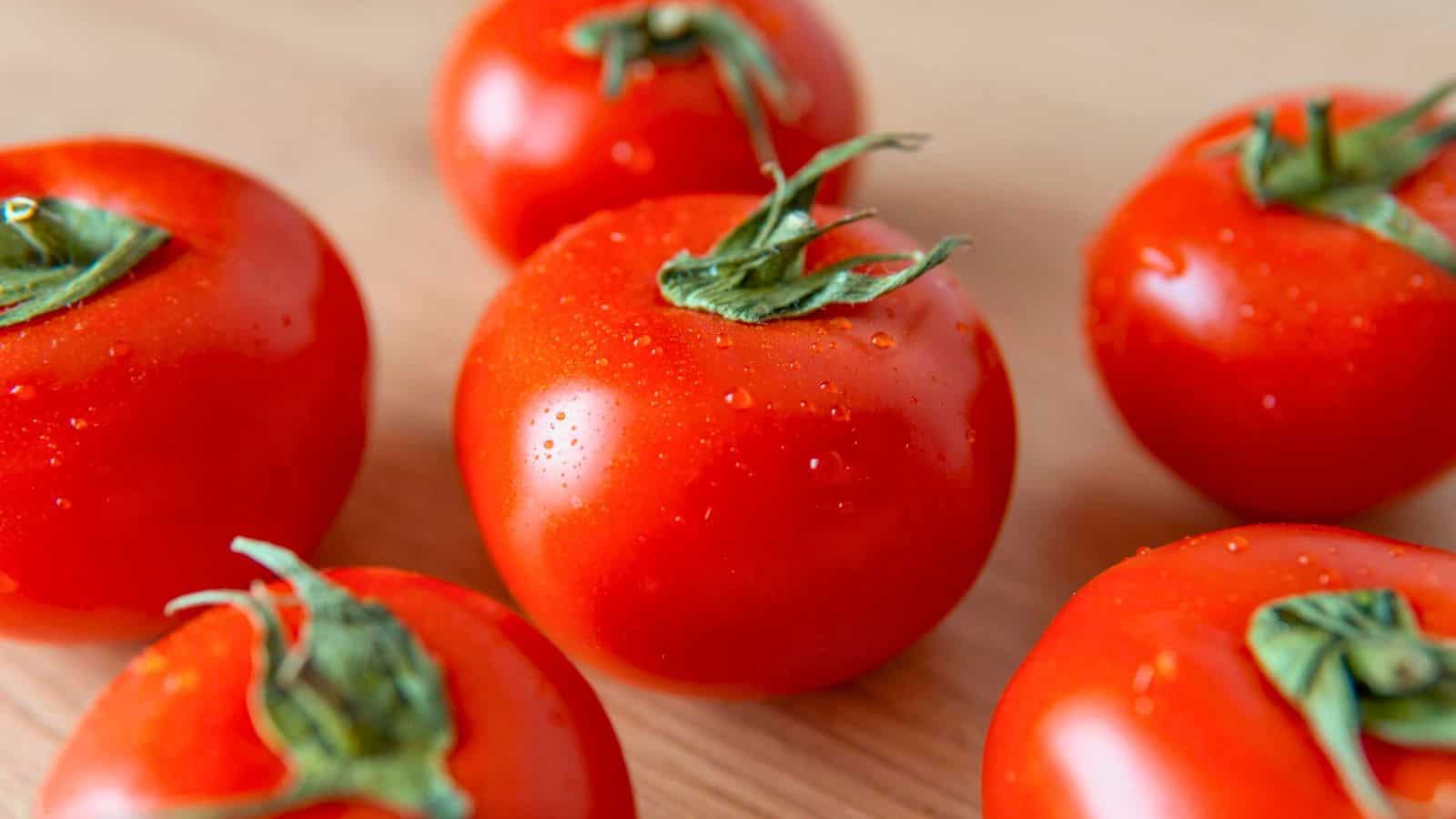
Tomatoes are rich in lycopene, an antioxidant that supports heart health by reducing inflammation and lowering cholesterol levels. Lycopene also helps protect against certain types of cancer, particularly prostate cancer. Tomatoes impart important vitamins and minerals, including vitamin C, potassium, and folate, which contribute to health. They are also high in water content, which helps keep you hydrated. The antioxidants in tomatoes protect cells from damage and reduce the risk of chronic diseases. Including tomatoes in your diet can support heart health, reduce inflammation, and improve wellness.
Superfoods for A Super You

Incorporating superfoods into your diet is a fantastic way to enhance your health and well-being after 50. These nutrient-dense options support everything from heart health to brain function, making sure you feel your best every day. Making these changes doesn't even require a complete overhaul of your eating habits!
Think about starting small. Swap out less nutritious options for superfoods that boost energy and vitality. Whether it's adding blueberries to your breakfast, snacking on a handful of nuts, or incorporating more leafy greens into your dinners, these choices add up.
Remember, the journey to better health is about progress, not perfection. Every small step you take toward eating more superfoods can have a positive impact. Embrace these changes, and enjoy the benefits of a healthier, more vibrant lifestyle.