
Staying hydrated is super important, but let's face it, chugging plain water all day can get a bit boring. What if I told you there are 15 hydrating fruits and vegetables that can hydrate you just as well, if not better, than water? Yep, you heard that right. These natural goodies are packed with water, plus they come loaded with vitamins and minerals that your body craves.
These fruits and veggies are great for keeping you refreshed, especially on those hot summer days or after a tough workout. They're not just about hydration; they bring a burst of flavor and a whole bunch of nutrients to the table. Whether you're munching on a juicy slice of watermelon or adding crunchy cucumber to your salad, you're doing your body a favor by staying hydrated and nourished.
So, if you're looking to mix things up and stay hydrated in a flavorful way, keep reading. You might just find your new favorite snack. These hydrating heroes are perfect for adding variety to your diet and making sure you stay refreshed all day long!

Radishes
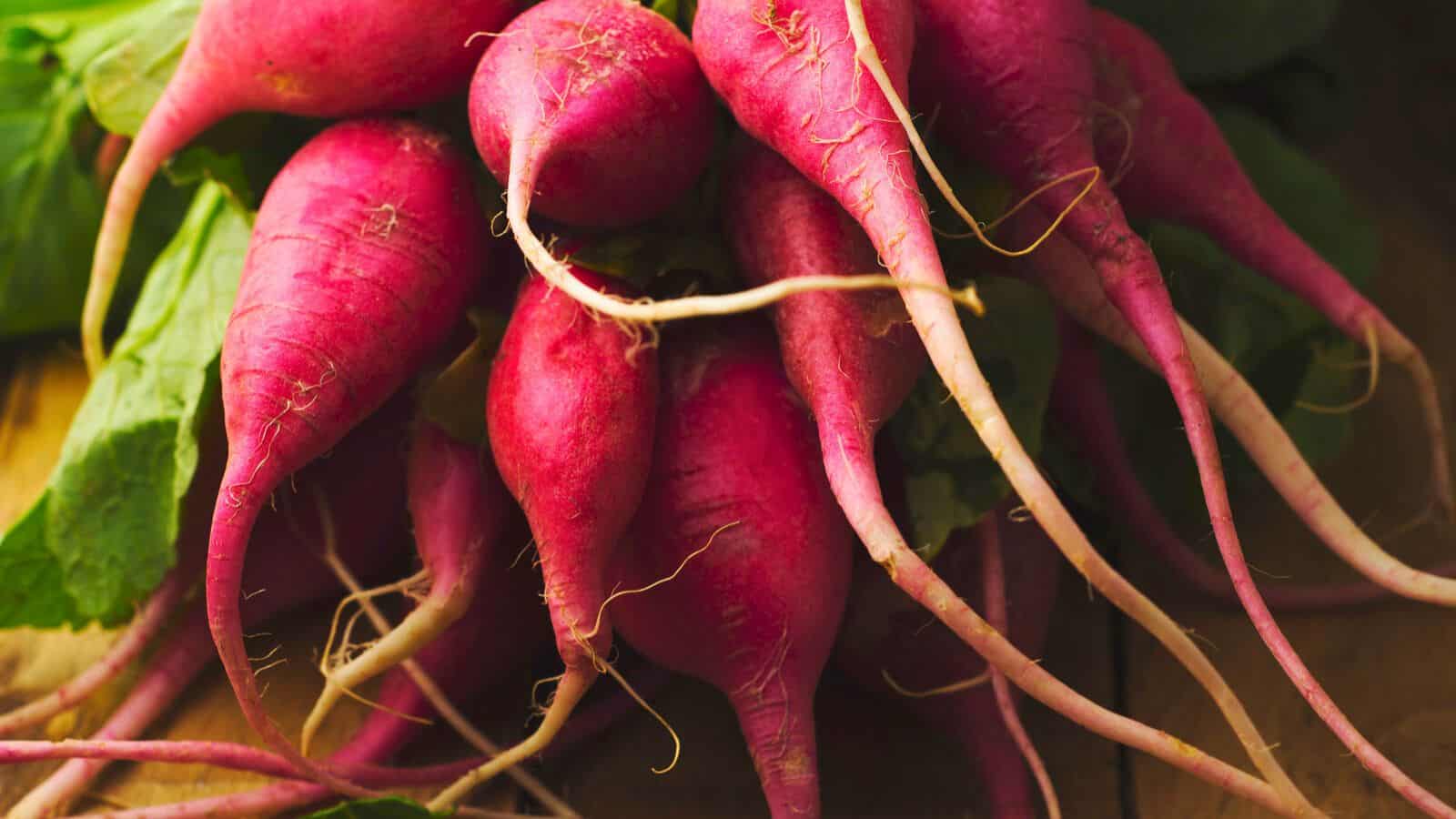
With about 95% water, radishes are excellent for hydration. They are rich in vitamin C, potassium, and fiber, containing antioxidants like anthocyanins, which support immune health and reduce inflammation. These nutrients also promote healthy digestion and skin health. Enjoy them raw in salads, sliced for snacks, or added to sandwiches or burgers. Roasting, pickling, or sautéing are other options. High water content and nutrient density make radishes a refreshing and healthful option for hydration. Their peppery flavor and crunchy texture add a unique element to various dishes.
Grapefruit
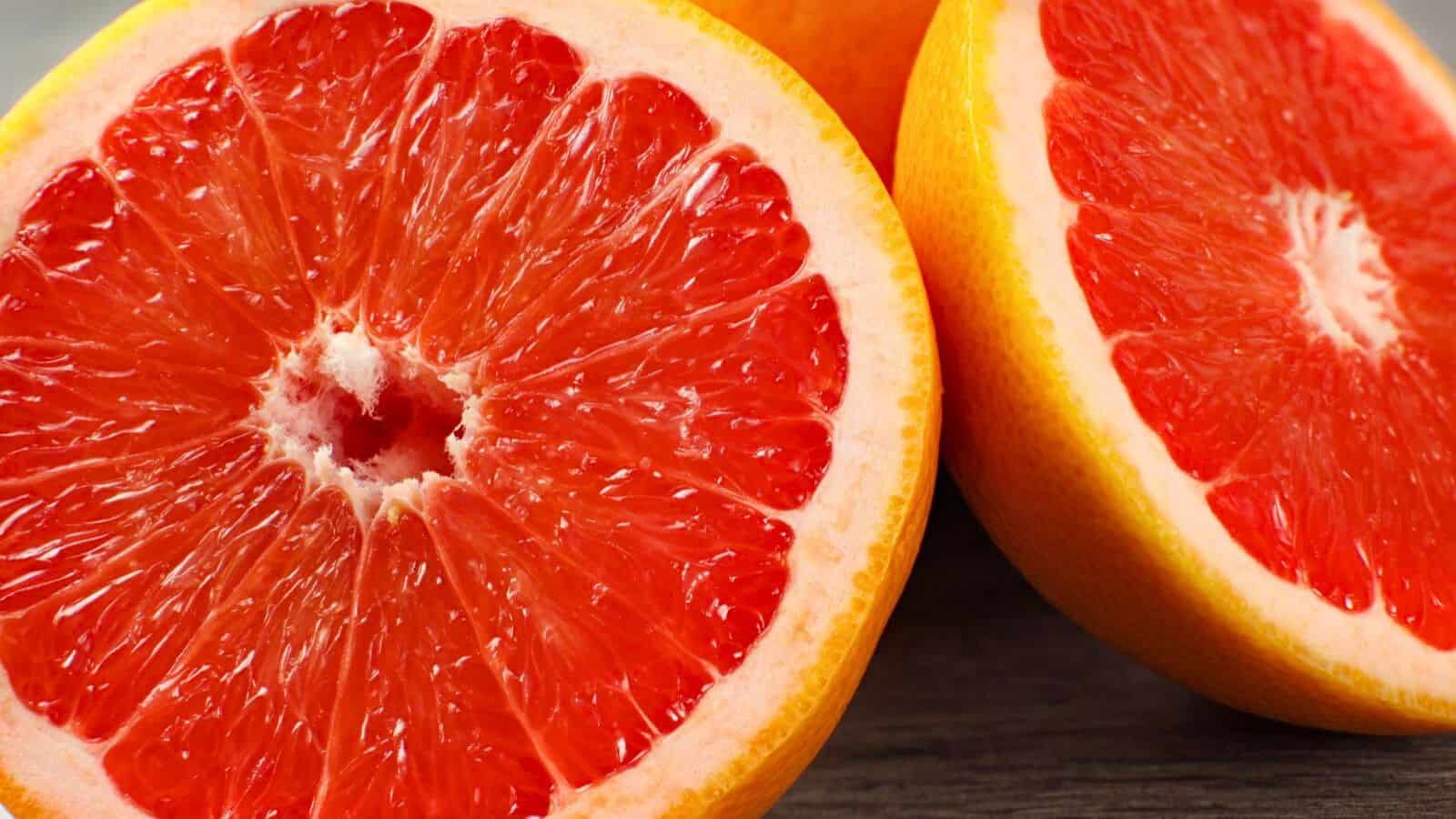
Composed of around 88% water, grapefruit is a hydrating fruit. It is rich in vitamins C and A, fiber, and antioxidants like flavonoids, which support immune health and reduce inflammation. Potassium in grapefruit helps maintain fluid balance. Enjoy it fresh, juiced, or added to salads. Broiling with a sprinkle of sugar for a caramelized treat is another option. High water content and nutrient profile make grapefruit a refreshing and healthful option for hydration. Its tart and slightly sweet flavor adds a zesty note to both sweet and savory dishes, making it a versatile ingredient.
Zucchini
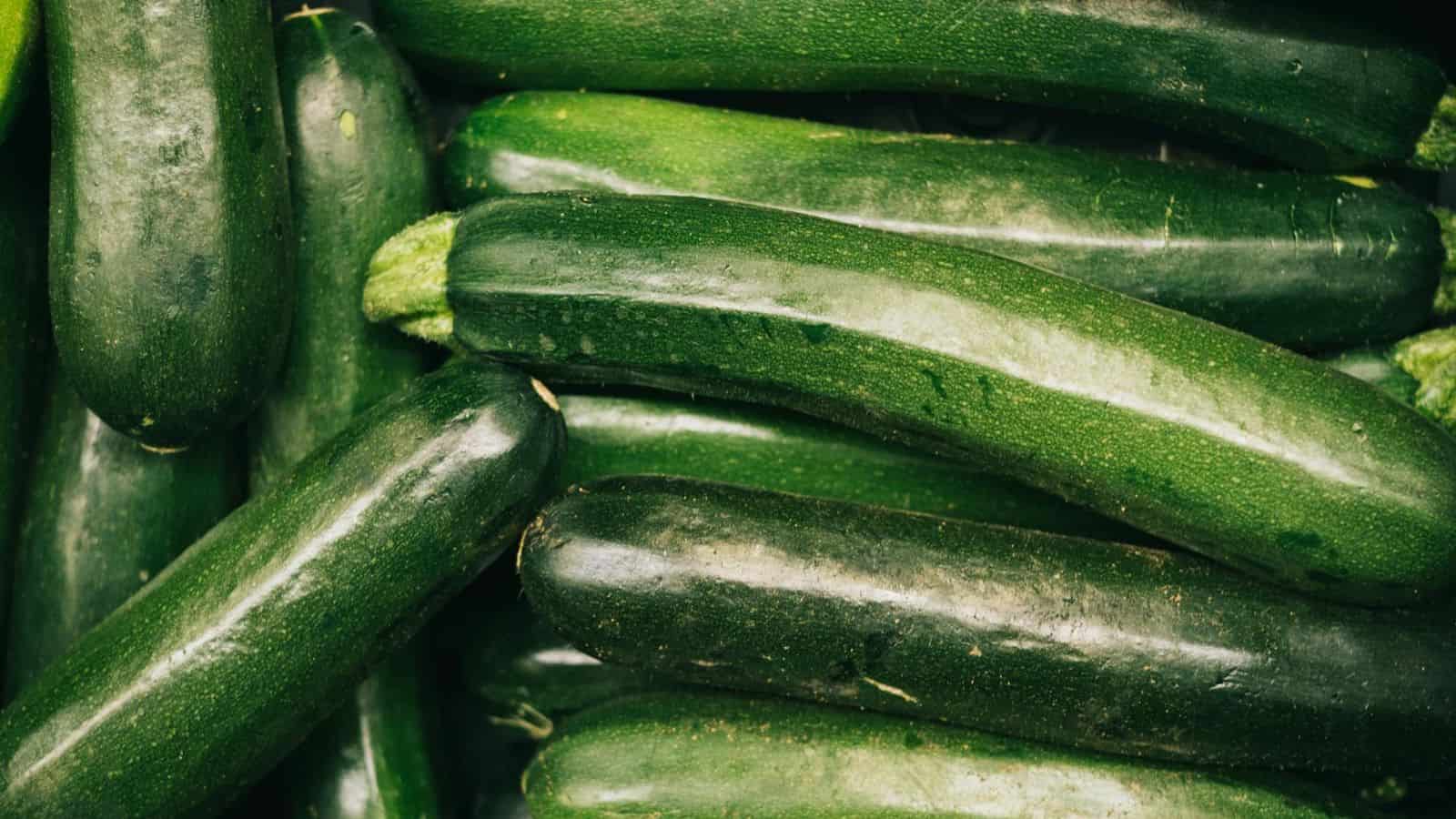
With about 95% water, zucchini is hydrating and rich in vitamins A, C, and K, as well as potassium and fiber. High water content helps keep you hydrated, while its nutrients support vision, skin health, and blood clotting. This vegetable can be eaten raw in salads, spiralized into noodles, grilled, roasted, or sautéed. Zucchini can also be baked into bread or muffins. Its versatility and refreshing taste make zucchini a great addition to your diet for staying hydrated and nourished. The mild flavor pairs well with a variety of seasonings and dishes.
Cucumber

This vegetable excels in hydration with about 95% water content. Essential nutrients like vitamin K, vitamin C, potassium, and magnesium are present. Antioxidants such as beta-carotene and flavonoids help combat inflammation. Enjoy them raw in salads, pickled, or blended into smoothies. For a refreshing snack, try cucumber slices with a sprinkle of salt or a dash of lemon juice. They can also be sautéed or added to stir-fries for extra crunch. Their high water content and nutrient profile make cucumbers a great addition to any diet, especially for staying hydrated.
Celery
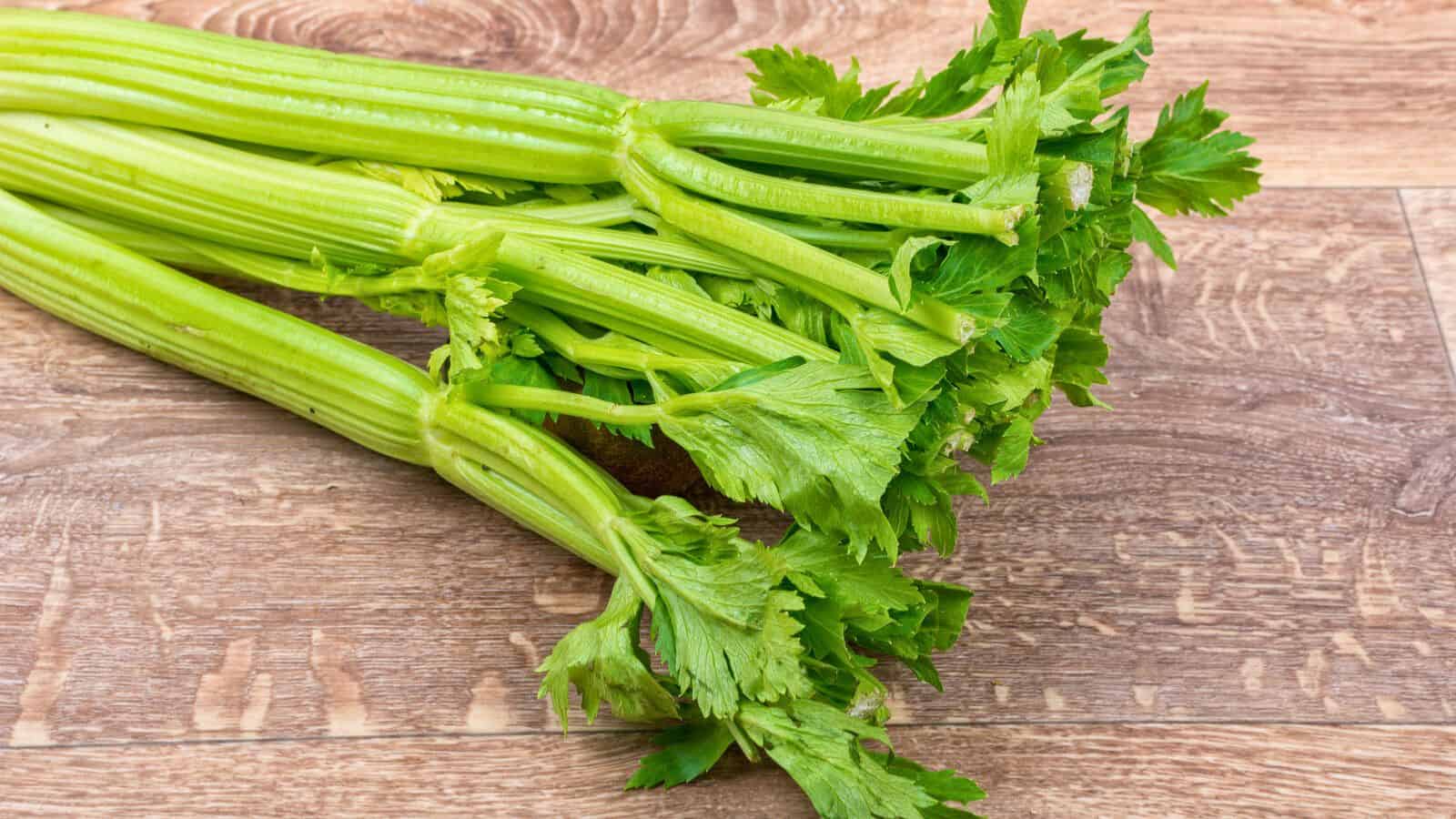
Composed of about 95% water, celery is highly hydrating. Low in calories and rich in vitamins K, A, and C, as well as potassium and folate, it contains antioxidants and anti-inflammatory compounds like flavonoids and polyphenols. These nutrients support bone health, and immune function, and reduce inflammation. Eat it raw as a snack, add it to salads, or use it as a base for soups and stews. Sautéing or blending into smoothies are other options. High water content and nutrient profile make celery an excellent choice for hydration and health. Its crisp texture adds a refreshing crunch to various dishes.
Pineapple
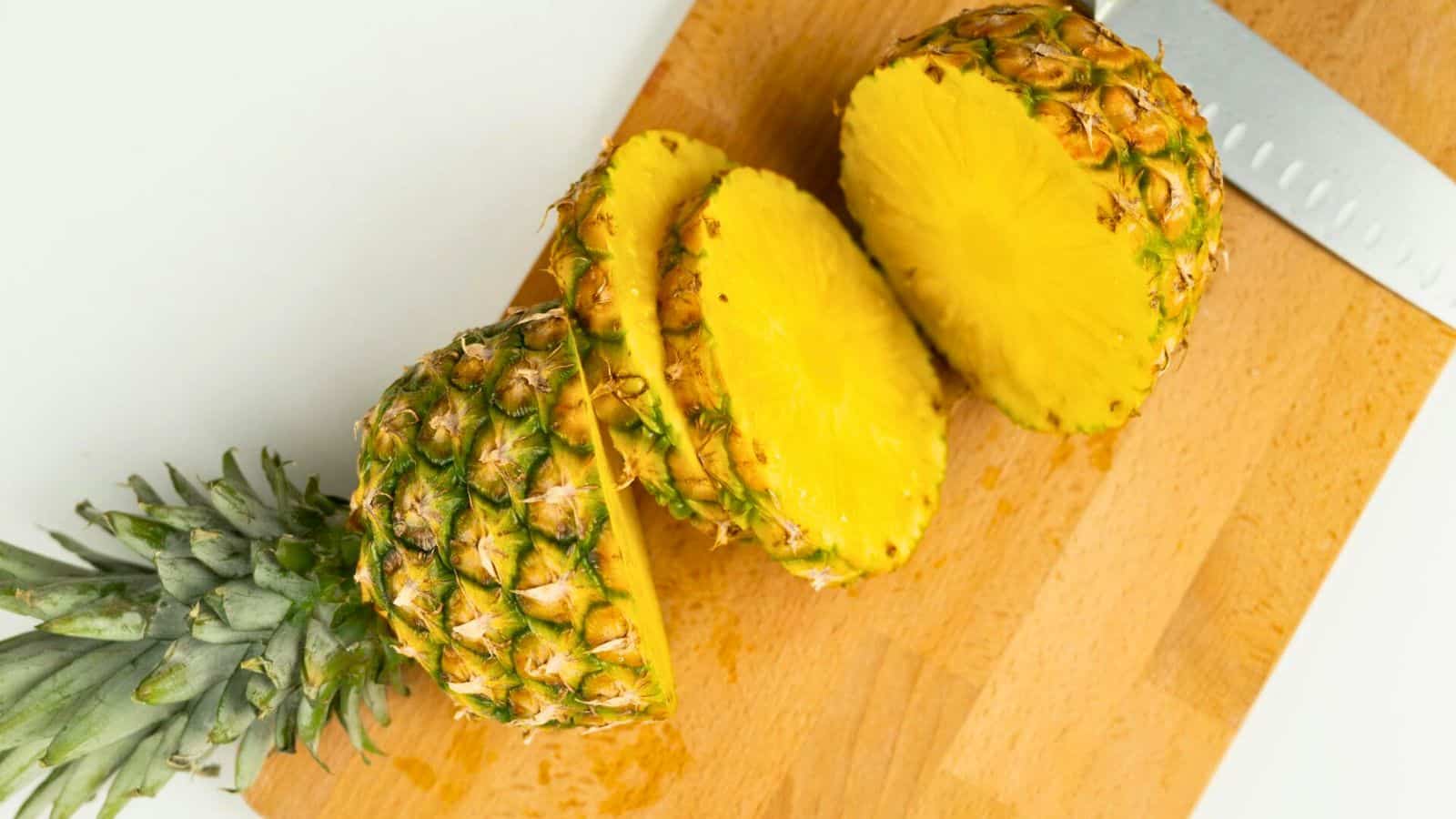
Pineapple contains around 86% water, making it a hydrating fruit. Rich in vitamins C and B6, manganese, and bromelain, an enzyme with anti-inflammatory and digestive benefits, it helps maintain hydration and supports health. Vitamin C boosts the immune system, while manganese supports bone health. Enjoy it fresh, added to fruit salads, blended into smoothies, or used in desserts. Grilling or adding to savory dishes like stir-fries are other options. Its sweet and tangy flavor, along with hydrating properties, makes pineapple a nutritious choice.
Peaches
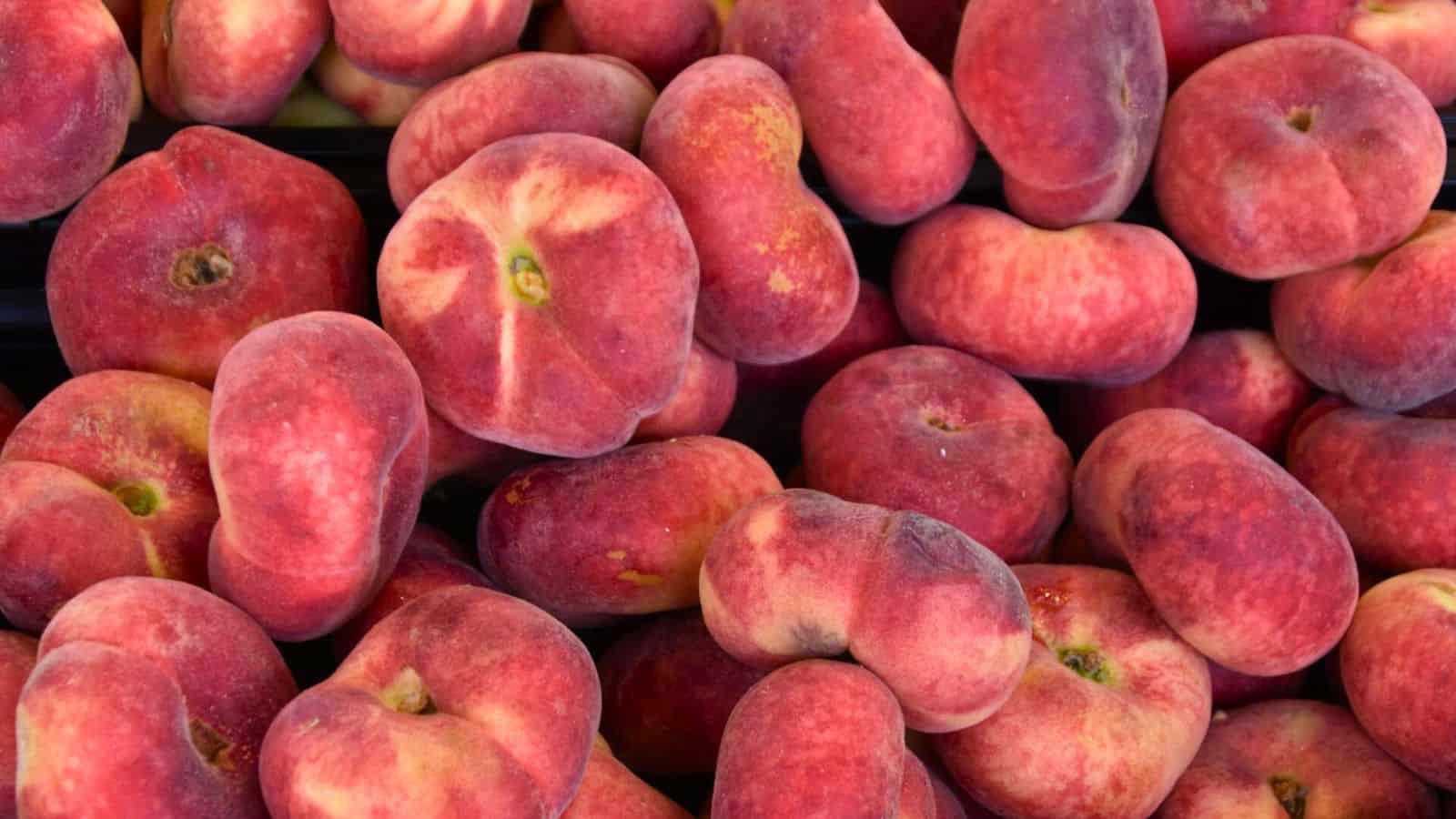
With about 89% water, peaches are excellent for hydration. They are rich in vitamins A and C, fiber, and antioxidants like beta-carotene, which support skin health and reduce inflammation. These nutrients also boost the immune system and promote healthy digestion. Enjoy them fresh, added to fruit salads, blended into smoothies, or used in desserts like pies and cobblers. Grilling or sautéing for enhanced flavor is another option. High water content and nutrient density make peaches an effective way to stay hydrated. Their sweet and juicy taste makes them a great addition to various recipes.
Tomatoes

At about 95% water, tomatoes are excellent for hydration. They are rich in vitamins C and K, potassium, and antioxidants like lycopene, which support heart health and reduce inflammation. Lycopene has been linked to a reduced risk of chronic diseases. Tomatoes can be eaten raw in salads, sliced for sandwiches, or used in salsas and sauces. They can also be roasted, grilled, or sautéed. High water content and nutrient density make tomatoes versatile and effective for hydration. Their sweet and tangy flavor enhances a variety of dishes, from fresh salads to hearty stews.
Cantaloupe
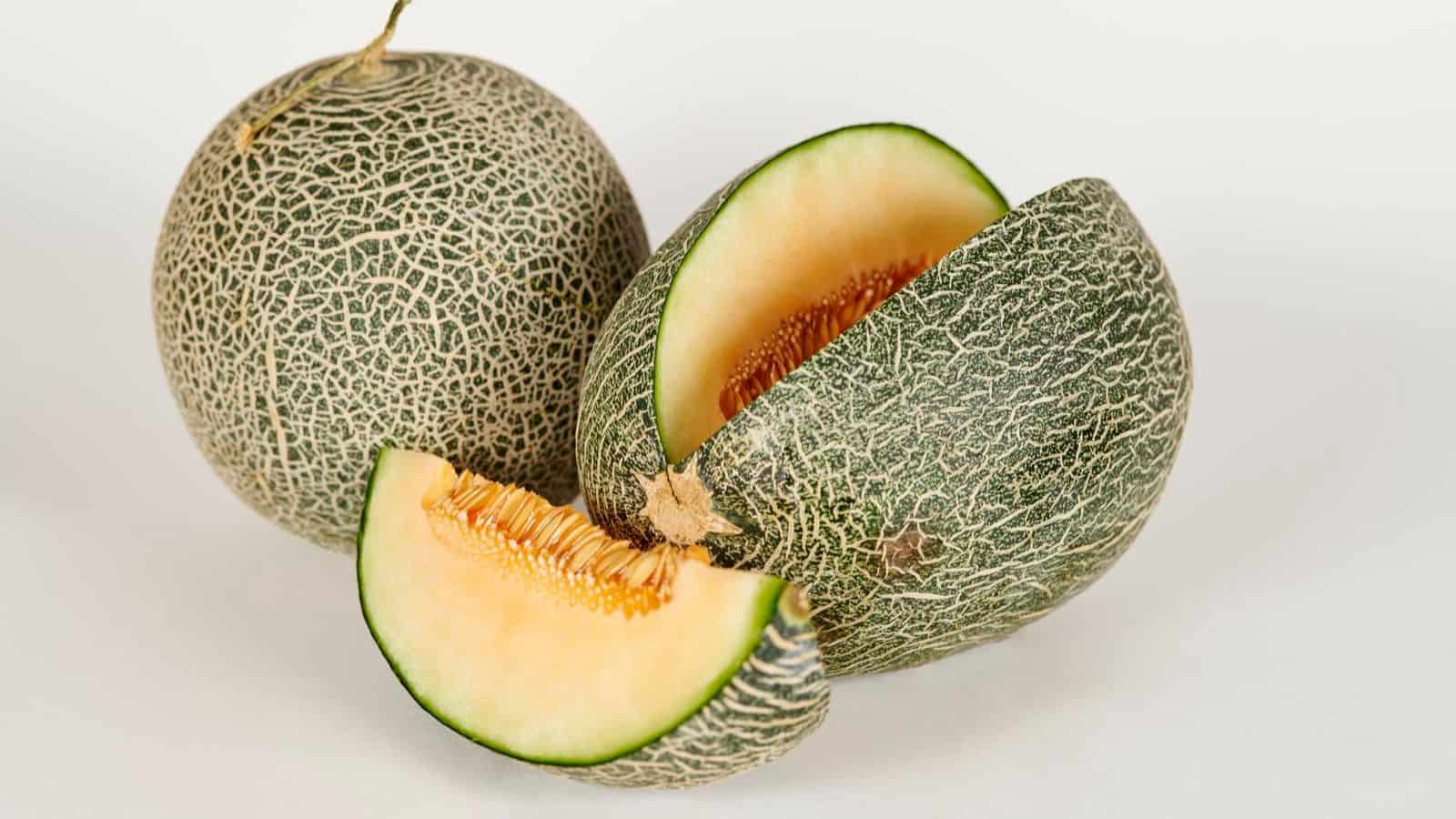
At around 90% water, cantaloupe is excellent for hydration. This fruit is rich in vitamins A and C, which are essential for immune function and skin health. Potassium in cantaloupe helps maintain fluid and electrolyte balance, while its fiber content supports digestive health. It can be eaten fresh, added to fruit salads, blended into smoothies, or used in desserts. Grilling enhances its natural sweetness and flavor. Cantaloupe's high water content and nutrient profile make it a fantastic choice for staying hydrated. Its sweet taste and refreshing texture are perfect for hot summer days or as a healthy snack.
Spinach
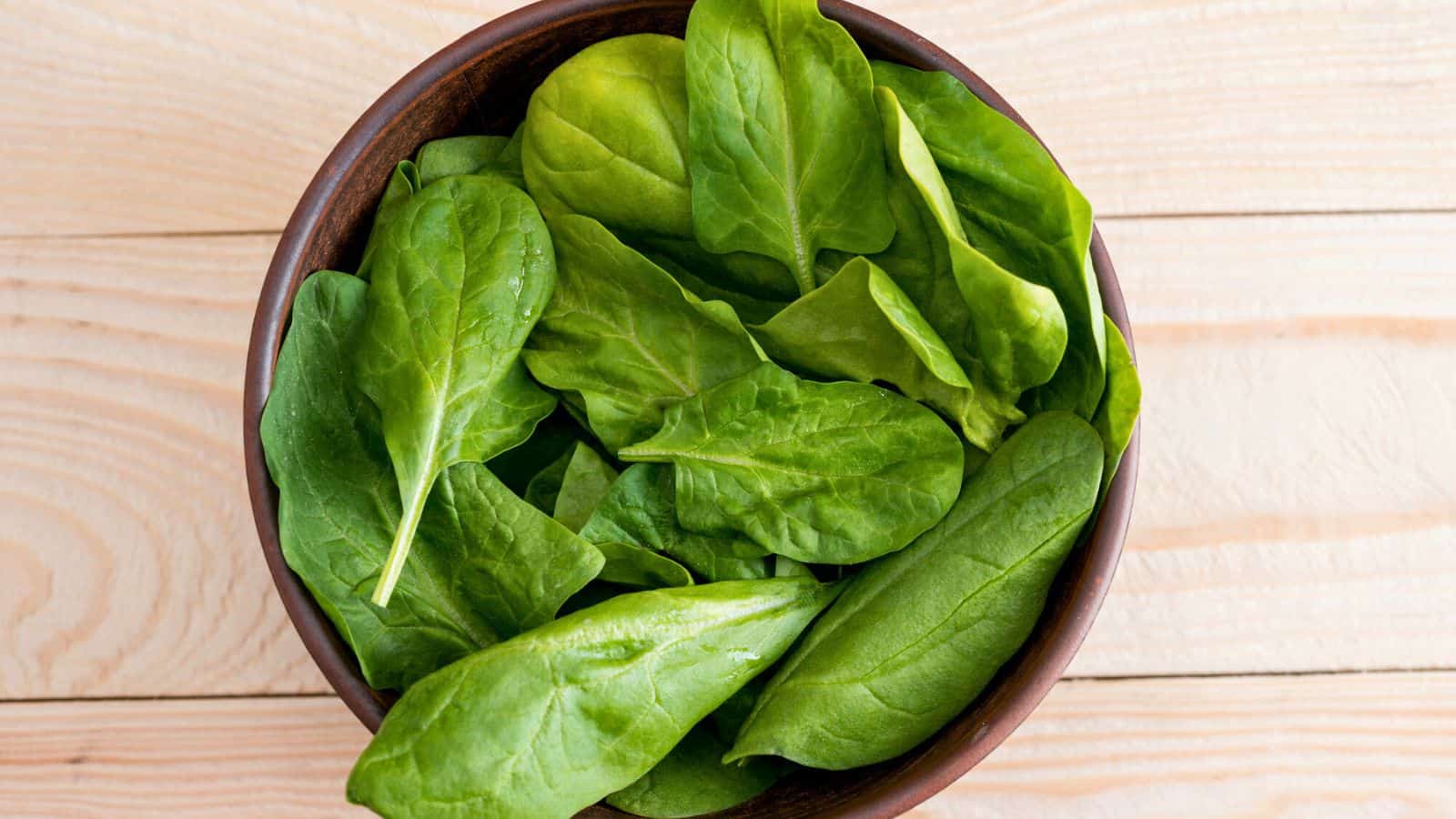
Composed of about 91% water, spinach is a hydrating vegetable. Rich in vitamins A, C, and K, as well as iron, calcium, and antioxidants like lutein and zeaxanthin, it supports eye health and reduces inflammation. Enjoy it raw in side dishes, salads, added to smoothies, or used as a base for soups and stews. Sautéing, steaming, or incorporating into pasta dishes are other options. High water content and nutrient profile make spinach a versatile and nutritious choice for staying hydrated and supporting health.
Bell Peppers
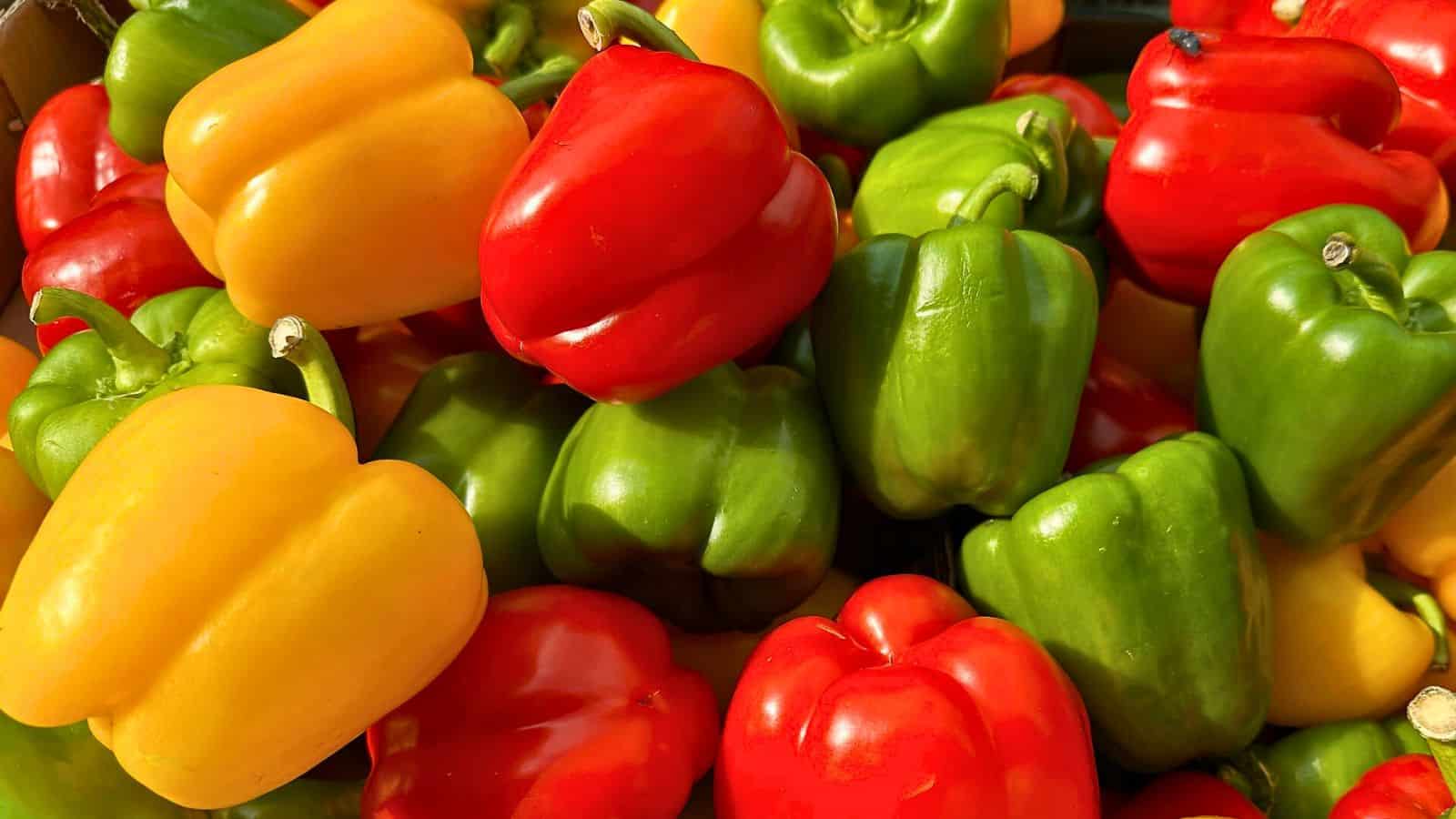
Composed of about 92% water, bell peppers are excellent for hydration. They are rich in vitamins C, A, and B6, as well as fiber and antioxidants like beta-carotene and flavonoids. These nutrients support immune health, vision, and skin health. Bell peppers can be eaten raw in salads, sliced for snacks, or added to sandwiches. They can also be roasted, grilled, or sautéed. High water content and nutrient profile make bell peppers versatile and effective for hydration. Their crisp texture and sweet flavor enhance a variety of dishes, from fresh salads, soups, to cooked meals.
Strawberries
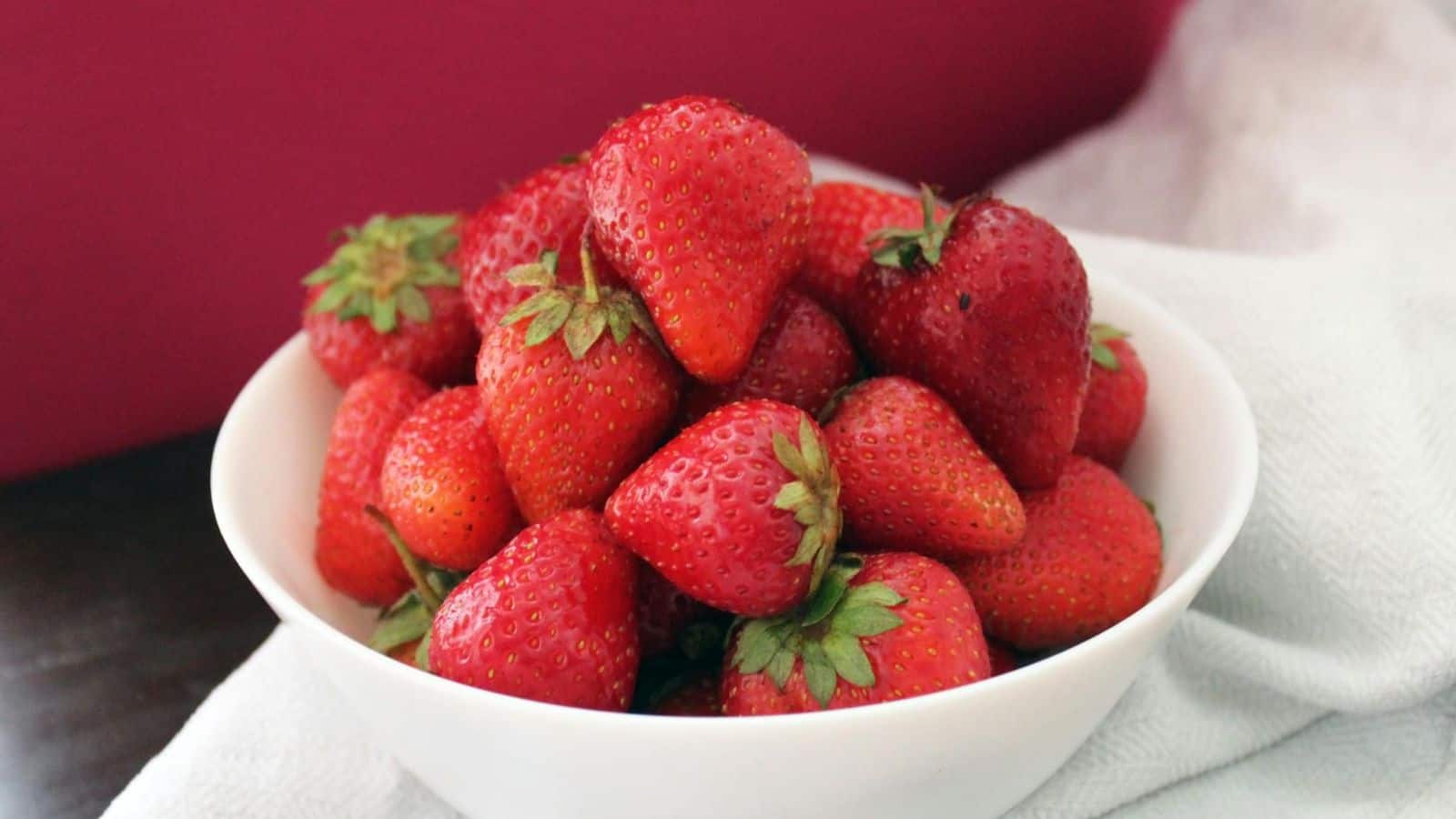
Comprising about 91% water, strawberries are excellent for hydration. They are rich in vitamin C, manganese, folate, and antioxidants like anthocyanins and ellagic acid, which help reduce inflammation and oxidative stress. These fruits can be eaten fresh, added to salads, blended into smoothies, or used as a topping for yogurt and cereals. They can also be made into jams or baked into desserts. Their high water content and nutrient density make strawberries a delicious and effective way to stay hydrated while enjoying a burst of flavor and health benefits.
Lettuce
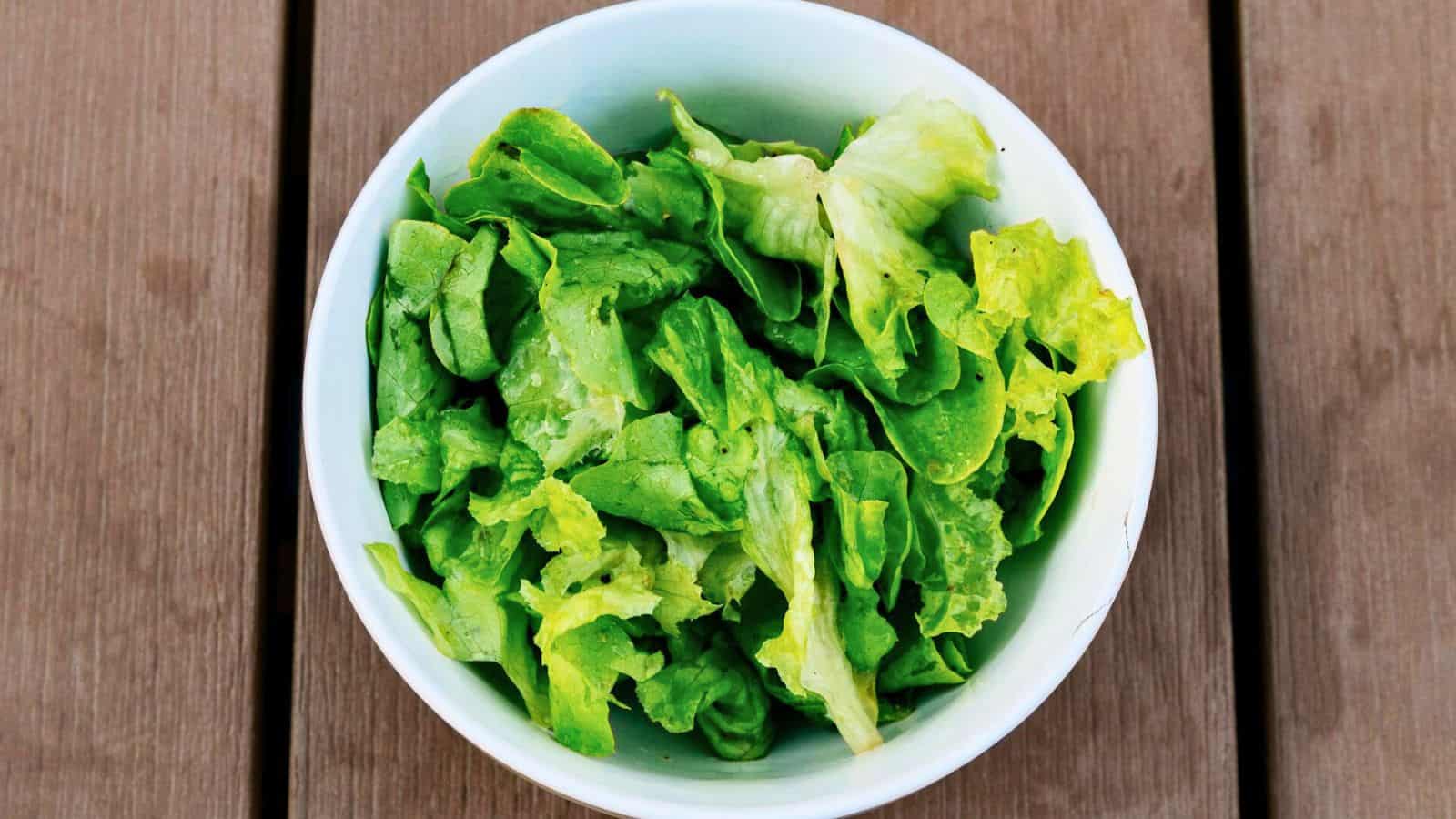
Especially varieties like iceberg lettuce can be up to 96% water, making it an excellent hydrating vegetable. Lettuce also has fiber, vitamins A, C, and K, and folate. These nutrients support immune function, skin health, and blood clotting. It can be eaten raw in salads, used as a wrap for sandwiches, or added to burgers and tacos. Lightly sautéing or adding to soups are other options. The high water content, combined with its low-calorie and nutrient-rich profile, makes lettuce a great choice for maintaining hydration and supporting health. Its crisp texture adds a refreshing element to various dishes.
Oranges

Oranges are composed of about 86% water, making them hydrating fruits. Rich in vitamin C, fiber, and antioxidants like flavonoids, they support immune health and reduce inflammation. These fruits also provide potassium, which helps maintain fluid balance. Enjoy them fresh, juiced, or added to salads and desserts. Orange zest can flavor dishes, and the fruit can be incorporated into savory recipes like marinades and sauces. High water content and nutrient profile make oranges a refreshing and healthful option for hydration.
Watermelon
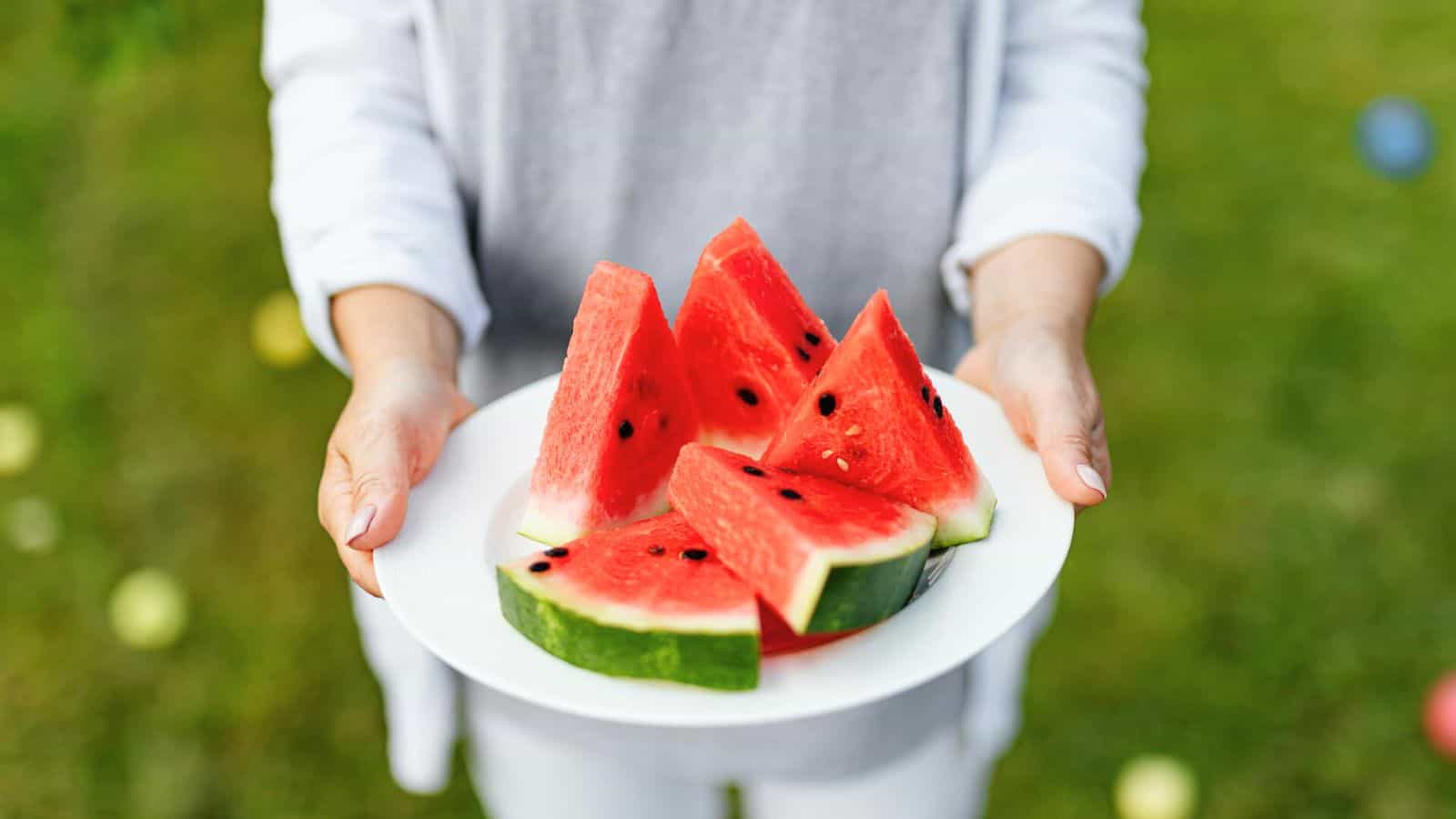
Known for its 92% water content, watermelon is a top choice for hydration. It contains electrolytes like potassium and magnesium, which help maintain fluid balance. Rich in vitamins A and C, and antioxidants like lycopene, beneficial for heart health. This juicy fruit is ideal for eating fresh, blending into smoothies, or adding to fruit salads. Grilling watermelon adds a new dimension to its flavor, and it can also be frozen to make refreshing popsicles. Its high water content and nutrient profile make watermelon perfect for staying hydrated, especially in hot weather.
Hydrate One Bite at a Time

Staying hydrated doesn't have to be all about guzzling down gallons of water. By incorporating these hydrating fruits and veggies into your daily routine, you're not just quenching your thirst, but also boosting your intake of essential vitamins and minerals. These natural snacks are perfect for adding a splash of flavor and a whole lot of health benefits to your diet.
Next time you feel parched, reach for a juicy piece of fruit or a crunchy veggie instead of another glass of water. Whether it's a refreshing slice of watermelon on a hot day or a crisp cucumber in your salad, these hydrating foods are a great way to keep yourself feeling fresh and energized.
Remember, hydration is key to feeling your best, and nature has provided us with some delicious ways to achieve it. So go ahead, stock up on these hydrating heroes, and enjoy the tasty benefits they bring. Stay hydrated, stay healthy, and keep enjoying the simple, natural ways to nourish your body.